
差旅运营
Planning a Company Trip to Bangkok: Airports, Areas, Venues
Fly into Suvarnabhumi, base the group in Silom–Sathorn or Sukhumvit, and ride the BTS and MRT. A practical guide to running a company trip in Bangkok.
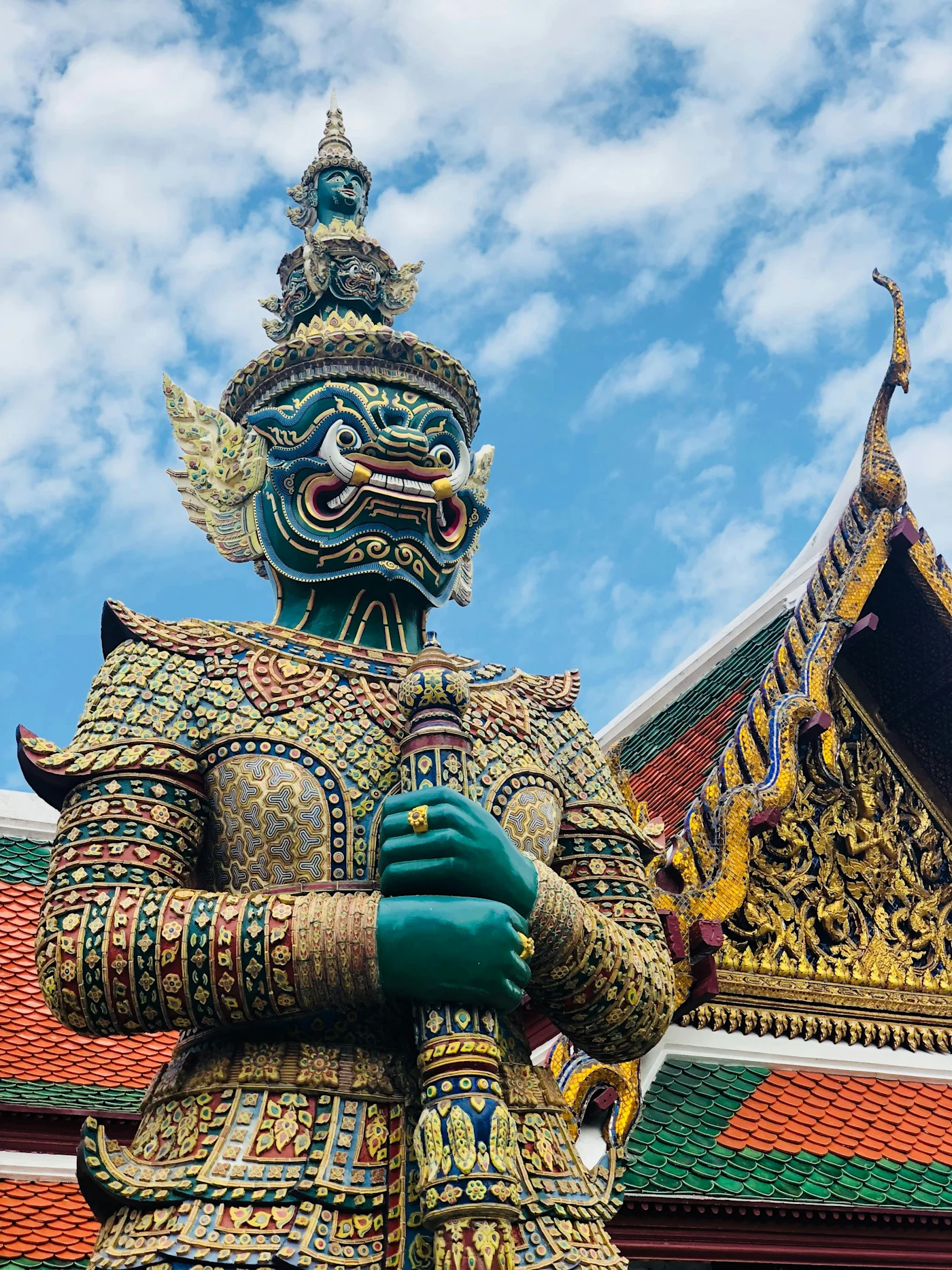
Planning a Company Trip to Bangkok: Airports, Areas, Venues
Bangkok is one of Asia's busiest cities for conferences and corporate gatherings, and a handful of early decisions (which airport, which district, which venue) decide how smoothly a company trip runs. This guide covers the city-level specifics: airports, business districts, convention centres, and getting around.
It's written for the ops manager or event planner booking a Bangkok offsite, conference, or client-facing trip who wants the practical layout, not a tourist itinerary. One thing shapes everything else here: the season. Get the timing right and the rest of the plan gets easier.
Key Takeaways
• Fly the group into Suvarnabhumi (BKK) for international arrivals; the Airport Rail Link connects it to the city, and Don Mueang (DMK) is the low-cost secondary.
• Base the group in Silom–Sathorn (the financial CBD) or the Sukhumvit corridor (Asok/Phrom Phong) for hotels, dining, and BTS/MRT access.
• Get around on the BTS Skytrain and MRT metro to skip Bangkok's notorious road traffic; add Chao Phraya river boats and Grab.
• Bangkok is a top-tier meetings city: around fourth in Asia-Pacific in ICCA's 2023 ranking, with 88 international association meetings (ICCA, 2023).
• Travel November to February for the cool, dry season; avoid the March–May heat and the June–October monsoon.
Which Bangkok airport should you fly into?
Choose Suvarnabhumi (BKK) for international arrivals, and treat Don Mueang (DMK) as the low-cost secondary. Suvarnabhumi, east of the city, is Bangkok's primary international gateway and where full-service carriers land. Don Mueang, to the north, mostly serves low-cost airlines. The two sit on opposite sides of the city, so avoid splitting a group across both.
The airport-to-city leg is where the choice matters. From Suvarnabhumi, the Airport Rail Link runs into the city and connects to the BTS at Phaya Thai and the MRT at Phetchaburi (near Makkasan), which sidesteps the airport-road traffic that can swallow an hour. Don Mueang has no direct metro line of its own, so transfers there lean on taxis, Grab, or shuttle buses. For a group arriving together on a long-haul carrier, Suvarnabhumi is almost always the right answer.
Airport | Role | To the centre |
Suvarnabhumi (BKK) | Primary international gateway, east of the city | Airport Rail Link to Phaya Thai (BTS) / Makkasan (MRT) |
Don Mueang (DMK) | Secondary, mostly low-cost carriers, to the north | Taxi, Grab, or shuttle bus; no direct metro |
Where should you base the group?
Base the group by what the trip needs, because Bangkok's business districts play distinct roles. For a corporate trip, the two safest bases are Silom–Sathorn and the Sukhumvit corridor: the first for the traditional financial CBD, the second for hotel density, dining, and transport interchange.
District | Role | Best for |
Silom–Sathorn | Traditional financial CBD, banks and embassies | Client-facing, meetings near HQs, premium hotels |
Sukhumvit (Asok/Phrom Phong) | Hotel, dining, and retail spine on the BTS/MRT | Group logistics, larger parties, evening agendas |
Ratchadamri / Ploenchit | Premium hotel corridor near Ratchaprasong and Siam | Central base, walkable to shopping and the Skytrain |
Riverside (Chao Phraya) | Landmark hotels along the river | Character and views, but less central for business |
Silom–Sathorn puts you among the banks and multinational offices, with the Sala Daeng BTS and Si Lom MRT stations interchanging there. Sukhumvit trades a little formality for the city's densest run of hotels and restaurants, anchored by the Asok/Sukhumvit interchange. Either works: the mistake is basing a working group at a riverside hotel chosen for the view, then losing time in traffic to every meeting.
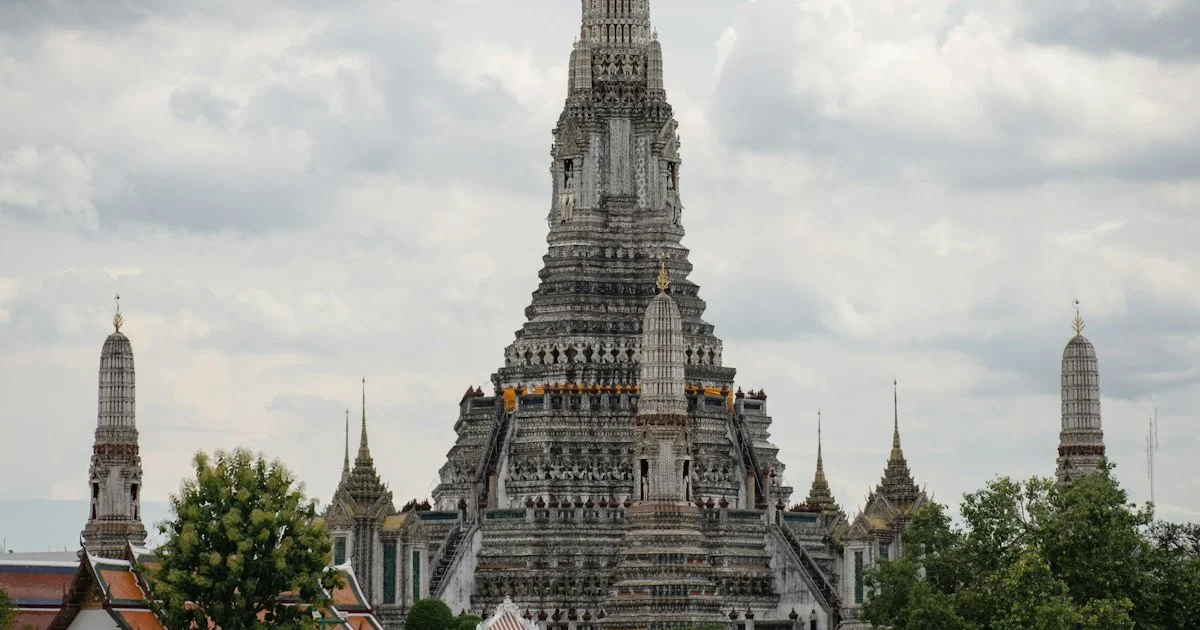
Bangkok's main event venues
Match the venue to the event size, and note that the largest one sits well outside the centre. The Queen Sirikit National Convention Center (QSNCC), rebuilt and reopened in 2022, is the flagship central venue, beside Benjakitti Park with its own MRT station (Queen Sirikit National Convention Centre), which makes it the easy default for conferences and mid-to-large events.
For exhibition scale, BITEC sits in Bang Na in the city's south-east, on the BTS Sukhumvit line, and handles large trade shows and expos. Further out, IMPACT Muang Thong Thani in Nonthaburi, north of the city, is Thailand's largest venue by capacity and hosts the biggest expos and concerts, but it isn't on the main rail lines, so factor in coach or Grab transfers if your event lands there.
The rule of thumb: QSNCC for central conferences, BITEC or IMPACT for anything exhibition-scale.
How do you get around Bangkok?
The BTS Skytrain and MRT metro are the plan: Bangkok's road traffic is genuinely notorious, and rail is the way to beat it. The elevated BTS runs two main lines (Sukhumvit and Silom) that interchange at Siam, while the underground MRT connects to the BTS at Asok/Sukhumvit and Sala Daeng/Si Lom. Between them they cover most of the business districts a corporate group needs.
For the riverside, Chao Phraya Express boats and hotel shuttle boats reach landmarks and riverside hotels that the rail lines don't. And for late nights, luggage runs, or anywhere off the network, Grab ride-hailing is cheap, cashless, and widely used. Give travellers a stored-value transit card for the BTS and MRT, keep Grab as the door-to-door backup, and the traffic stops being a planning problem.
When is the best time for a Bangkok company trip?
Schedule between November and February, and avoid the hot and wet extremes on either side. Bangkok's cool, dry season runs roughly November to February: comfortable for delegates moving between venues and hotels, and the reason it doubles as the peak conference window. March to May brings extreme heat, regularly 35–40°C, which is punishing for any outdoor or walking-heavy agenda.
June to October is the south-west monsoon: warm, humid, and prone to heavy afternoon downpours and occasional flooding, though rain rarely lasts all day. One date to flag whatever the month: Songkran, the Thai New Year in mid-April, shuts much of the city for several days of public holiday and street water-play: memorable to witness, but not when you want a working conference to run. Book the cool-season peak early, as the same weather that suits your trip fills the city's hotels.
How does Bangkok rank as a business-events city?
Bangkok is a genuine top-tier meetings city, which is why it holds up for a serious regional event. In ICCA's 2023 rankings (the most recent with a primary breakdown) Bangkok hosted 88 international association meetings, placing it around fourth in Asia-Pacific behind Singapore, Seoul, and Tokyo (ICCA, 2023). That puts it firmly in the region's leading cluster of MICE destinations, alongside cities with far larger convention footprints.
What Bangkok adds beyond the raw ranking is value and reach: a central, rail-connected convention centre in QSNCC, deep hotel supply across the price range, and direct flights from most of Asia-Pacific into Suvarnabhumi. The one planning caveat is the calendar: the cool-season peak that suits corporate events is also the busiest, so lock venue and hotel space early.
A sample company-trip itinerary in Bangkok
Bangkok rewards a trip built around the rail lines, base well and the traffic stops mattering. A three-day shape:
Day one: arrive and base. Arrivals into Suvarnabhumi, transfer via the Airport Rail Link and BTS/MRT to Silom–Sathorn (for a client-facing trip) or the Sukhumvit corridor (for a larger group). An easy evening nearby (a Sathorn rooftop or a walk around Asok) while people settle in.
Day two: the working day. Conference or workshop at QSNCC for a central, well-connected venue, or BITEC if you need exhibition scale. Everyone moves on the BTS and MRT, not by coach. Close the day with a team dinner along the riverside, reached by Chao Phraya boat.
Day three (culture, or extend. A half-day in the city) the Grand Palace and Wat Arun by river boat, or a team activity: before departures. Or, since regional flights are short and cheap, extend to a beach or a second APAC city.
Adapt as needed; the point is that Bangkok's rail and river make a dense agenda easy once the base is right.
Bangkok-specific vs country-level planning
Because this is a Bangkok guide, it stays on what's specific to the city: airport choice, districts, venues, seasons, and getting around. The broader questions that apply to any APAC trip (how visas, entities, payment, and duty of care differ across the region) are covered in our guide to why APAC corporate travel differs, worth reading alongside this.
One cross-border note worth flagging early: paying Thai-baht venue deposits and hotel blocks from a Singapore or Hong Kong entity adds currency friction, and group bookings shift late. A travel operating system like Accomy handles multi-currency payment (via Airwallex), applies negotiated rates and price caps at the point of booking, and keeps a human concierge reachable on regional messaging channels: useful when a Bangkok group changes at the last minute. Beyond that, the city-level rules here do most of the work: base for logistics not views, travel in the cool season, and move everyone by rail.
Frequently Asked Questions
Should a company group fly into Suvarnabhumi or Don Mueang?
Fly into Suvarnabhumi (BKK) for international arrivals. It's Bangkok's primary international gateway and where full-service carriers land, with the Airport Rail Link connecting to the BTS at Phaya Thai and the MRT near Makkasan. Don Mueang (DMK), to the north, mainly serves low-cost airlines and has no direct metro line. The two airports sit on opposite sides of the city, so avoid splitting a group across both.
Where should a company base itself in Bangkok?
For most corporate trips, base in Silom–Sathorn (the traditional financial CBD, near banks and embassies) or the Sukhumvit corridor around Asok and Phrom Phong (the densest run of hotels, dining, and BTS/MRT interchange). The Ratchadamri/Ploenchit corridor is a strong central alternative near Siam. Reserve riverside hotels for character rather than a working base, since they sit further from most meetings.
What are the main convention centres in Bangkok?
The Queen Sirikit National Convention Center (QSNCC), rebuilt and reopened in 2022, is the central flagship: beside Benjakitti Park with its own MRT station, ideal for conferences and mid-to-large events. BITEC in Bang Na, on the BTS, handles exhibition-scale trade shows. IMPACT Muang Thong Thani, north of the city in Nonthaburi, is Thailand's largest venue but sits off the main rail lines, so plan coach or Grab transfers.
How do you get around Bangkok for a business trip?
Use the BTS Skytrain and MRT metro to beat the city's notorious road traffic. The elevated BTS runs the Sukhumvit and Silom lines, interchanging at Siam, and connects to the underground MRT at Asok/Sukhumvit and Sala Daeng/Si Lom. Add Chao Phraya river boats for riverside landmarks and hotels, and use Grab ride-hailing for late nights, luggage, or anywhere off the rail network.
When is the best time for a company trip to Bangkok?
Travel between November and February, Bangkok's cool, dry season and its peak conference window. Avoid March to May, when heat regularly reaches 35–40°C, and the June-to-October south-west monsoon, which brings heavy afternoon rain. Watch for Songkran, the Thai New Year in mid-April, which closes much of the city for several days of public holiday. Book cool-season dates early, as the weather that suits your trip also fills the hotels.
Quick Takeaways
Fly into Suvarnabhumi over Don Mueang for international arrivals: it has the Airport Rail Link and the full-service carriers.
Base the group in Silom–Sathorn or the Sukhumvit corridor; keep riverside hotels for character, not as a working base.
QSNCC is the central conference venue; BITEC and IMPACT handle exhibition scale but sit further out.
Ride the BTS and MRT to beat the traffic, with Chao Phraya boats and Grab as backups.
Bangkok is a top-tier APAC meetings city (ICCA, 2023): strong for corporate events, but travel in the cool season and book early.
Sources (retrieved 2026-07-13)
ICCA, 2023 Country & City Rankings (Public Abstract) — Bangkok 88 international association meetings, around #4 in Asia-Pacific — https://assets.simpleviewinc.com/simpleview/image/upload/v1/clients/iccaweb/ICCA_PA_Rankings_2024_2820ff6d-a13c-4c04-9555-82f0dee02fec.pdf
Airports of Thailand (AOT), Suvarnabhumi and Don Mueang airport information — https://www.airportthai.co.th/en/
Queen Sirikit National Convention Center, venue and location — https://www.qsncc.com/
BITEC (Bangkok International Trade & Exhibition Centre), venue information — https://www.bitec.co.th/
IMPACT Muang Thong Thani, venue information — https://www.impact.co.th/
Bangkok Mass Transit System (BTS Skytrain), network and lines — https://www.bts.co.th/eng/
Tourism Authority of Thailand, weather and seasons — https://www.tourismthailand.org/
每一趟商务出行,都能少花一点。
面向亚太差旅团队的每日津贴更新、酒店价格技巧和现成的政策模板。简短好读,每月数封。