
差旅运营
Your First Business Trip: The Stuff Nobody Tells You
About to travel for work for the first time? The bits no one explains: packing, expenses, etiquette, and how to not look lost, in one honest guide.
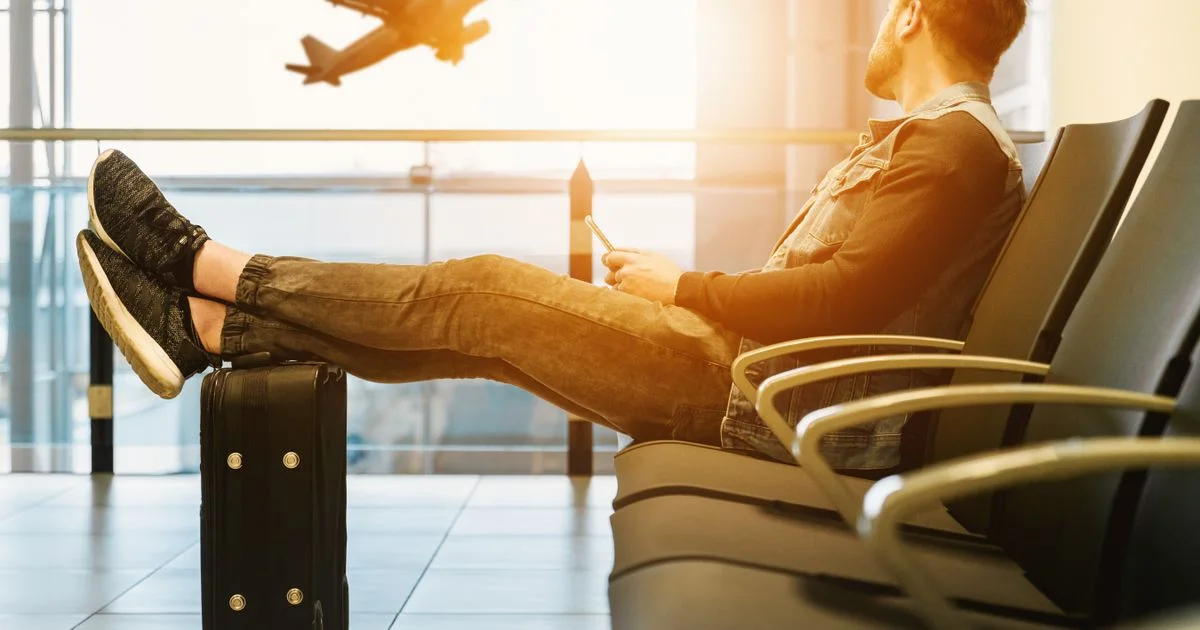
Your First Business Trip: The Stuff Nobody Tells You
Photo: JESHOOTS.com / Pexels
TL;DR. Nervous about your first work trip? The real stuff nobody explains: pack in a carry-on and keep one "work outfit" wearable straight off the plane; screenshot everything (booking, hotel, meeting address) so you're not hunting for wifi; keep every receipt from the second you leave; match the room's dress code, not your holiday self; and build in buffer time, because the day always runs late. Do the boring prep once and you get to look like you've done this a hundred times.
Your first business trip probably won't go wrong the way you're picturing. The flight isn't the scary part. It's the hundred tiny things nobody tells you: what to actually pack, whether you can expense the airport coffee, how formal the dinner really is. They make you feel like everyone got a handbook you didn't. So here's the handbook.
Before your first business trip: the prep that saves you
Ten minutes of setup at home is worth an hour of panic in an airport.
Pack light, and pack smart. If you can, do a carry-on only. Checked bags get lost at the worst times, and a lost suit the morning of a meeting is a genuinely bad day. Roll clothes, keep one "arrival outfit" you could walk into a meeting in straight off the plane, and put chargers, documents and anything you can't replace in the bag that stays with you.
Screenshot everything. Flight confirmation, hotel address, the meeting location, your host's phone number. Screenshots work when the wifi doesn't and your roaming is being difficult, which, at 6am in an unfamiliar airport, it will be. Have it all one swipe away, not buried in an email you can't load.
Sort money before you land. Check whether your cards work where you're going, and have a little local cash for taxis and tips. Know how you're getting from the airport to the hotel before you're standing in the arrivals hall deciding. It's a common first-trip fumble.
While you're there: how to not look lost
Most of "looking professional" is just looking unhurried.
Dress for the room, not the holiday. When in doubt, go one notch smarter than you think. It's easier to take a jacket off than to wish you'd worn one. If you genuinely can't tell, it's completely fine to ask whoever invited you: "what's the dress code?" is a normal question, not a rookie one.
Build in buffer time. The day always runs longer than the calendar says. Meetings overrun, traffic happens, you get lost in a building. Add margin around everything, especially the trip back to the airport. Nobody remembers the person who was ten minutes early; everyone remembers the one who missed the flight.
Keep every receipt from the moment you leave. The taxi, the coffee, the dinner: photograph each one as it happens, because "I'll sort it later" turns into a miserable evening reconstructing your spend from memory. Know your company's rules on what's reimbursable (this is where a one-line policy is gold), and when unsure, keep the receipt and ask.
The goal isn't to be impressive. It's to be unflustered, and unflustered is almost entirely preparation.
The bits that are actually about people
A work trip is a relationship you're travelling to build.
The trip usually isn't about the meeting slides. It's about the meal after, the small talk in the taxi, the being-there. So put your phone away at dinner, ask people about themselves, and don't treat the social bits as the optional add-on. They're often the actual point of flying. You don't have to be the most charming person in the room. You just have to be present and easy to be around.
And if something goes wrong (a delay, a cancellation, a hotel that lost your booking) don't panic and don't try to hero it alone. Your company may have a support line or a travel contact for exactly this; use it. Knowing who to call when a plan breaks is a first-trip superpower, and it's often a WhatsApp message away.
If you remember only one thing
Prepare the boring stuff so you're free for the human stuff.
You will forget something on your first trip. Everyone does, and it's genuinely fine. A forgotten charger is a convenience-store problem, not a career one. What actually matters is that you did the small prep, you kept your receipts, and you showed up present for the people you flew to see. Do that, and you'll look like you've done this a hundred times. And by your third trip, you basically will have.
Related reading
The 2026 Business Traveler’s Guide to Cabin Baggage, Hand Luggage, and Carry-On Rules (SEA Edition)
Airport Lounges in Southeast Asia: The Corporate Traveller's Guide for 2026
Frequently Asked Questions
What should I pack for my first business trip?
Aim for a carry-on: roll your clothes, keep one meeting-ready "arrival outfit" you could wear straight off the plane, and put chargers, documents and irreplaceable items in the bag that stays with you. Checked bags go missing at the worst moments, so avoid relying on one for anything you need on day one. Add a universal adaptor, a power bank and any medication in its original packaging, and check your airline's cabin baggage limits before you pack.
Can I expense things like coffee, taxis and meals on a work trip?
Usually yes, within your company's policy, but the rules vary, so check before you go and keep every receipt from the moment you leave. Photograph each one as it happens rather than reconstructing later. When you're unsure whether something is reimbursable, keep the receipt and ask; it's much easier than trying to claim without proof. Note what each expense was for and who was there, because finance will often ask, especially for meals with clients.
How formal should I dress for a business trip?
Dress for the room, and when in doubt go one notch smarter, because it's easier to remove a jacket than to wish you'd brought one. If you genuinely can't tell, ask whoever invited you what the dress code is; it's a normal, sensible question, not a sign of inexperience. In much of Asia, business dress stays fairly formal for first meetings, while tech and creative firms tend to be relaxed. Pack one smarter outfit than you think you need.
What do I do if my flight is delayed or cancelled on a work trip?
Don't try to fix it alone in a panic. Your company may have a travel contact or a support line for exactly this. Use it, because they can often rebook you faster than you can. Have that contact saved before you travel, keep any receipts for extra costs, and let your host know if you'll be late. If you're stuck overnight, ask the airline what it will cover, such as a hotel or meals.
How do I not look inexperienced on my first business trip?
Mostly by looking unhurried, which is really just preparation: screenshot your bookings, build buffer time into the day, and know how you're getting from A to B before you're standing there deciding. Then focus on the people: be present at the dinner, ask questions, put your phone away. Calm and easy to be around beats trying to look impressive. Afterwards, send a short thank-you note to the people you met.
Accomy helps companies give travellers a calmer trip: bookings in one place and a human travel desk on WhatsApp, LINE, WeChat, web chat, email or phone, so a first-timer knows who to message.
Related reading:
The office manager's survival guide to booking travel (for whoever books the trips)
What to do when your flight's cancelled at 11pm (the disruption playbook)
Do employees really enjoy company trips? (the human side of travel)
Sources (retrieved 2026-08-13)
General first-time business-travel guidance with no external statistics. Accomy is described from its own product information.
每一趟商务出行,都能少花一点。
面向亚太差旅团队的每日津贴更新、酒店价格技巧和现成的政策模板。简短好读,每月数封。