
公司
The 2026 MICHELIN Keys: Malaysia Edition
Malaysia now holds nine MICHELIN Keys. All of them, with the design story behind each property.
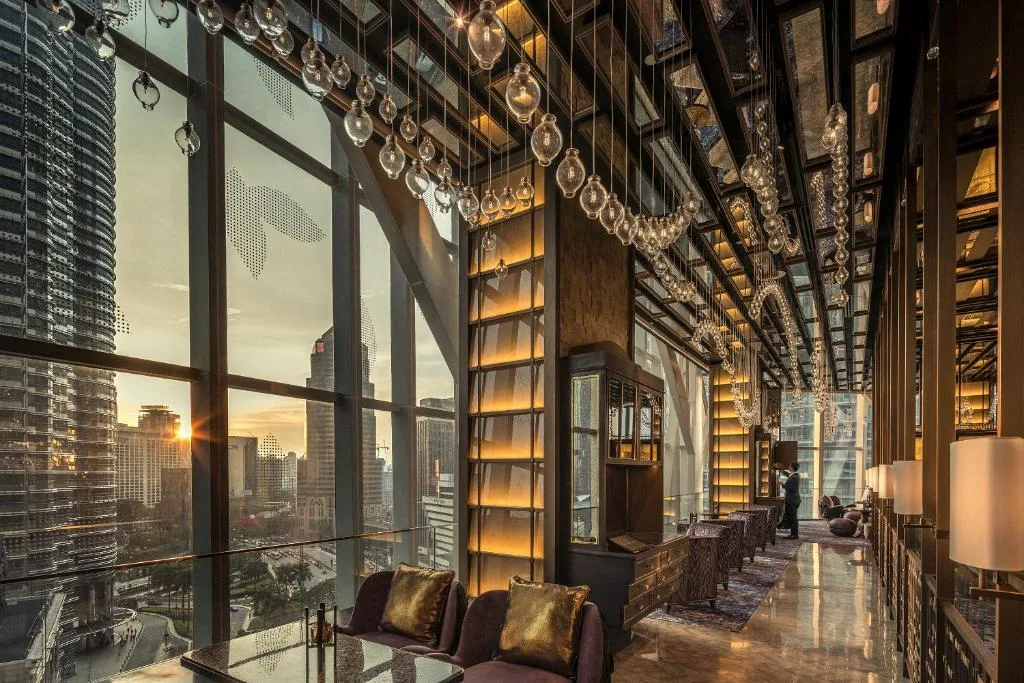
The 2026 MICHELIN Keys: Malaysia Edition
On 18 September 2026 the keys came out. Inspectors unveiled the global MICHELIN Key selection for the year, and the list now runs to 2,832 hotels worldwide: 155 with three Keys, 657 with two, and 2,020 with one (MICHELIN, September 2026). Asia and the Middle East account for 600 of them, with 173 new Keys and promotions this year.
Malaysia now holds nine. That is up from four in the debut selection, and it puts the country within sight of Singapore's eleven and level with the Philippines' nine.
This is the Malaysia edition: every one of the nine, what the building actually is, and the kind of trip each one suits. Because a list of names tells you very little about whether a property fits the trip you are booking.
Key Takeaways
• The 2026 MICHELIN Key selection was announced on 18 September 2026 and covers 2,832 hotels worldwide.
• Malaysia holds nine Keys, up from four, against Singapore's eleven and the Philippines' nine.
• Four Seasons Resort Langkawi remains the only two-Key hotel in the country.
• Five properties enter the list for the first time, and Mandarin Oriental Desaru Coast brings Johor onto it.
• Two of the nine are Kerry Hill Architects buildings, which makes Malaysia unusually strong on tropical modernism.
What is a MICHELIN Key, in one paragraph
A Key rates the hotel itself, the way a Star rates a restaurant. Inspectors stay anonymously and assess architecture, service, consistency, personality and whether the price matches the experience. One Key is a special stay, two is exceptional, three is extraordinary. It is a separate award from the Stars, and a hotel can hold Keys without having a restaurant in the guide at all. We cover the mechanics in what is the MICHELIN Key.
Malaysia's nine, and what each one is
Four Seasons Resort Langkawi (two Keys)
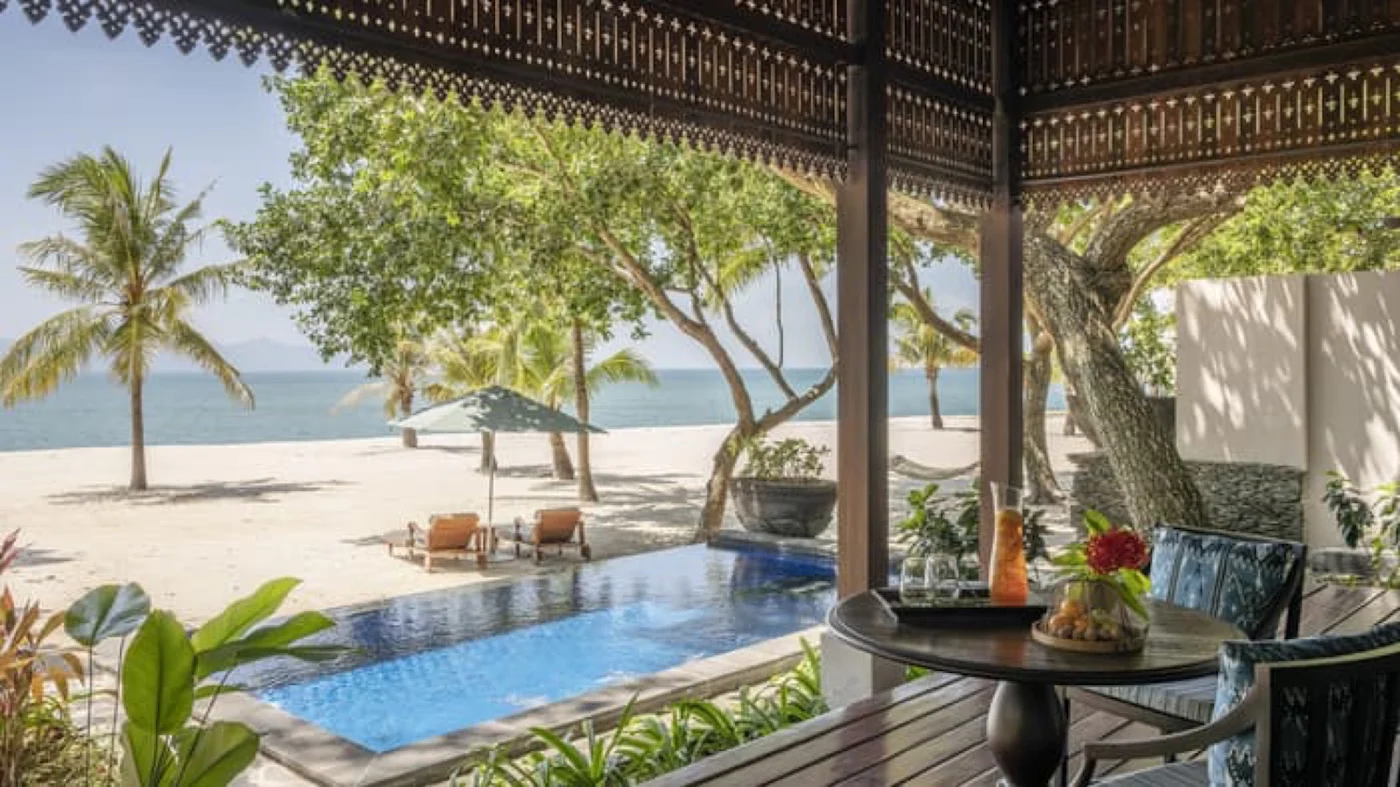
Still the only two-Key hotel in the country, and the highest-rated Malaysian property on the list. It sits inside a UNESCO Global Geopark on Langkawi's north-west coast, where rainforest meets the Andaman Sea.
The design. Moorish arches, water gardens and pavilion villas set along a private stretch of beach, with the geology of the Machincang formation behind it. The scale is generous in a way newer properties rarely attempt.
Suits: a long-weekend reset, or an executive retreat where the setting is doing some of the work.
Park Hyatt Kuala Lumpur (first Key)
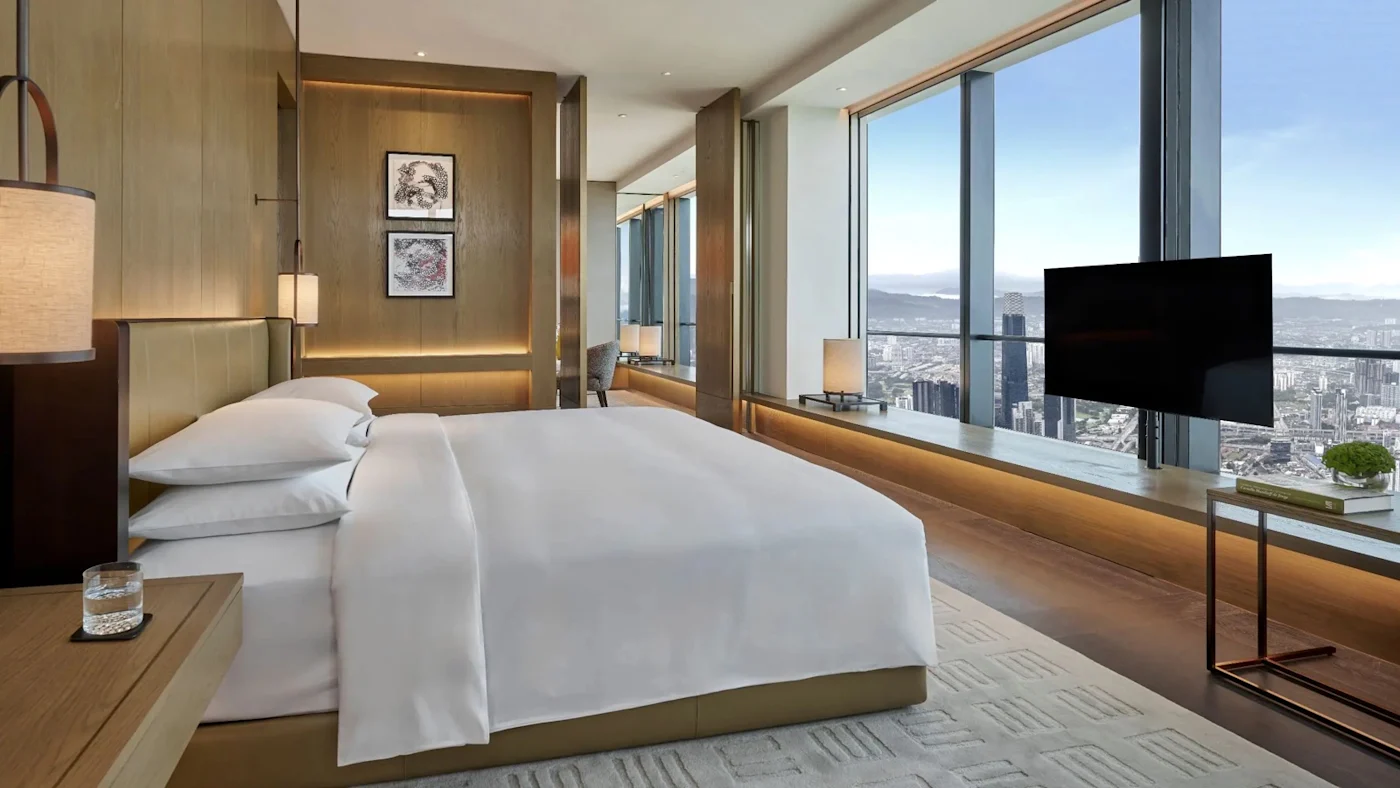
The newest kind of luxury hotel in the country, and the most vertical. It occupies levels 75 to 114 of Merdeka 118, which makes it the second-tallest hotel in the world behind Rosewood Guangzhou. It opened in August 2025 with 252 rooms, most of them between levels 100 and 112.
The design. Restrained contemporary interiors with batik, songket and wood-carving motifs worked in, so the Malaysian references are material rather than decorative. The view is the headline, and the rooms are laid out to use it.
Suits: a city trip where the meetings are in KL and the hotel is the reward.
Soori Penang (first Key)
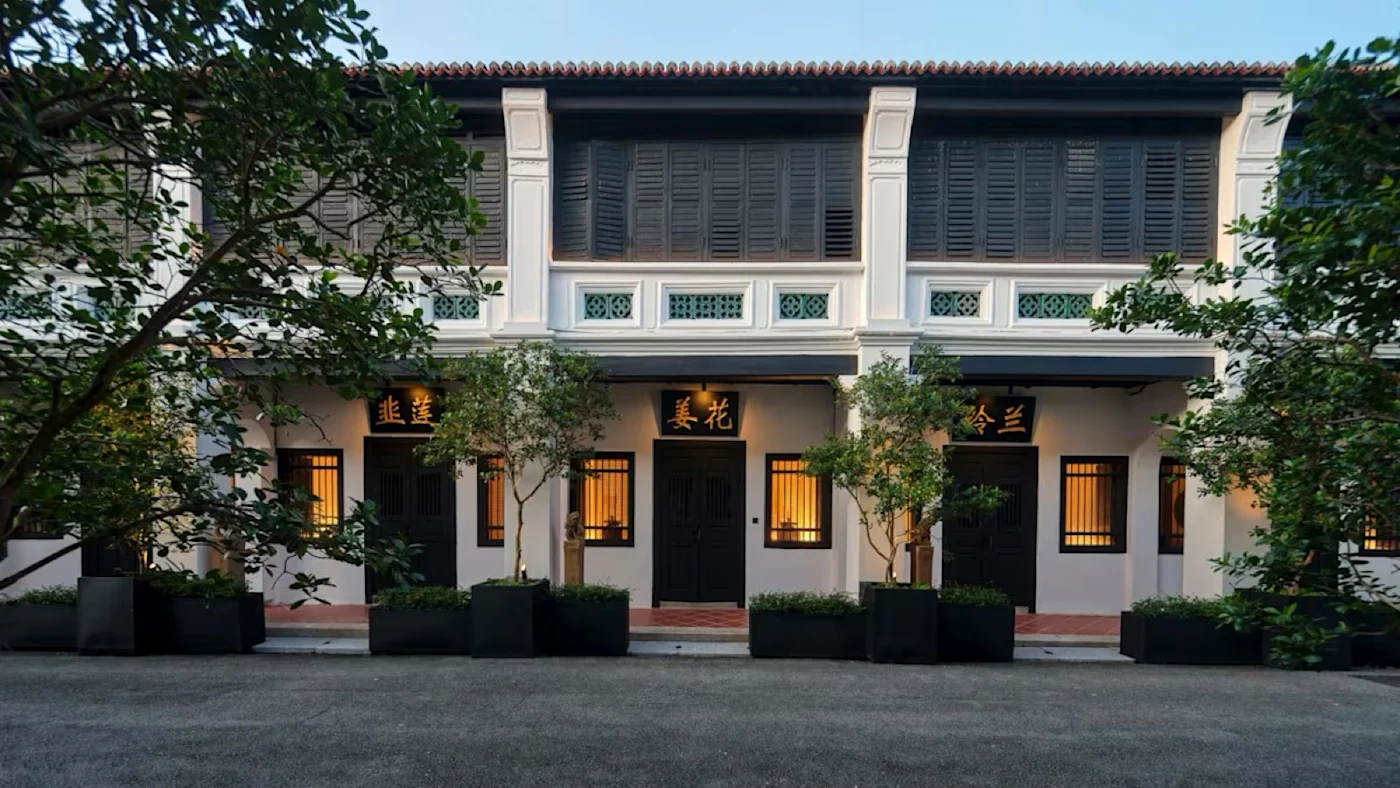
Fifteen suites inside restored heritage shophouses in the Khoo Kongsi compound in George Town, a UNESCO World Heritage Site. It opened on 15 January 2026.
The design. Soo K. Chan of SCDA Architects was born in a shophouse inside that same clanhouse, and the project is a homecoming. The work recaptures the shophouse typology, its long thin plan, courtyards and light wells, and rebuilds it for contemporary living rather than preserving it under glass.
Suits: a slower trip where the point is George Town itself.
The Qing Suites (first Key)
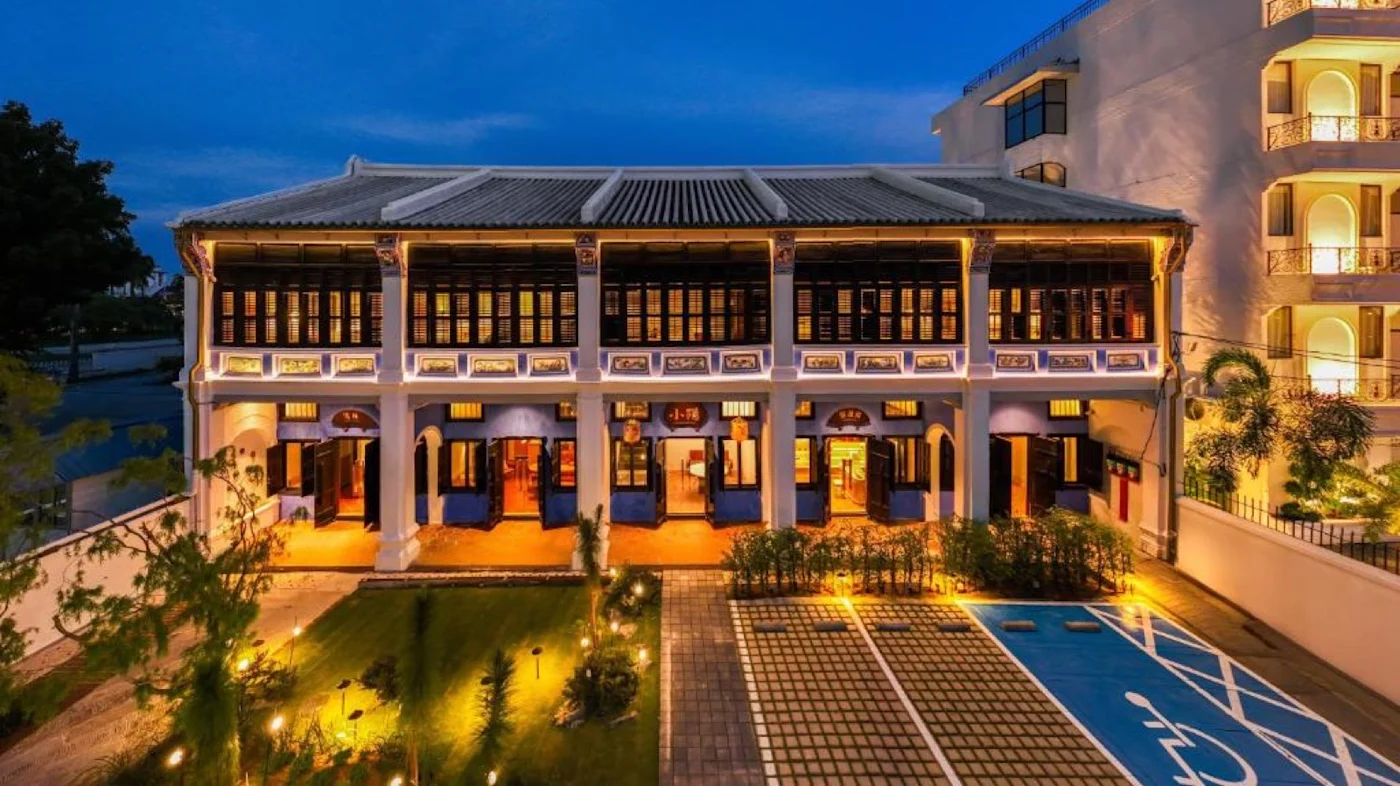
Thirteen suites in Penang, created from the 1904 annexe of the Cheong Fatt Tze Mansion, better known as the Blue Mansion. The annexe held the servants' quarters and had been forgotten for decades.
The design. A conservation project rather than a new build, completed in 2025 under conservation architect Laurence Loh with Arkitek LLA. Loh led the original Blue Mansion restoration, so the annexe is being handled by the practice that knows the building best. The result keeps 130 years of fabric and adds contemporary Asian hospitality inside it.
Suits: anyone who would rather stay inside the heritage than next to it.
Mandarin Oriental, Desaru Coast (first Key)
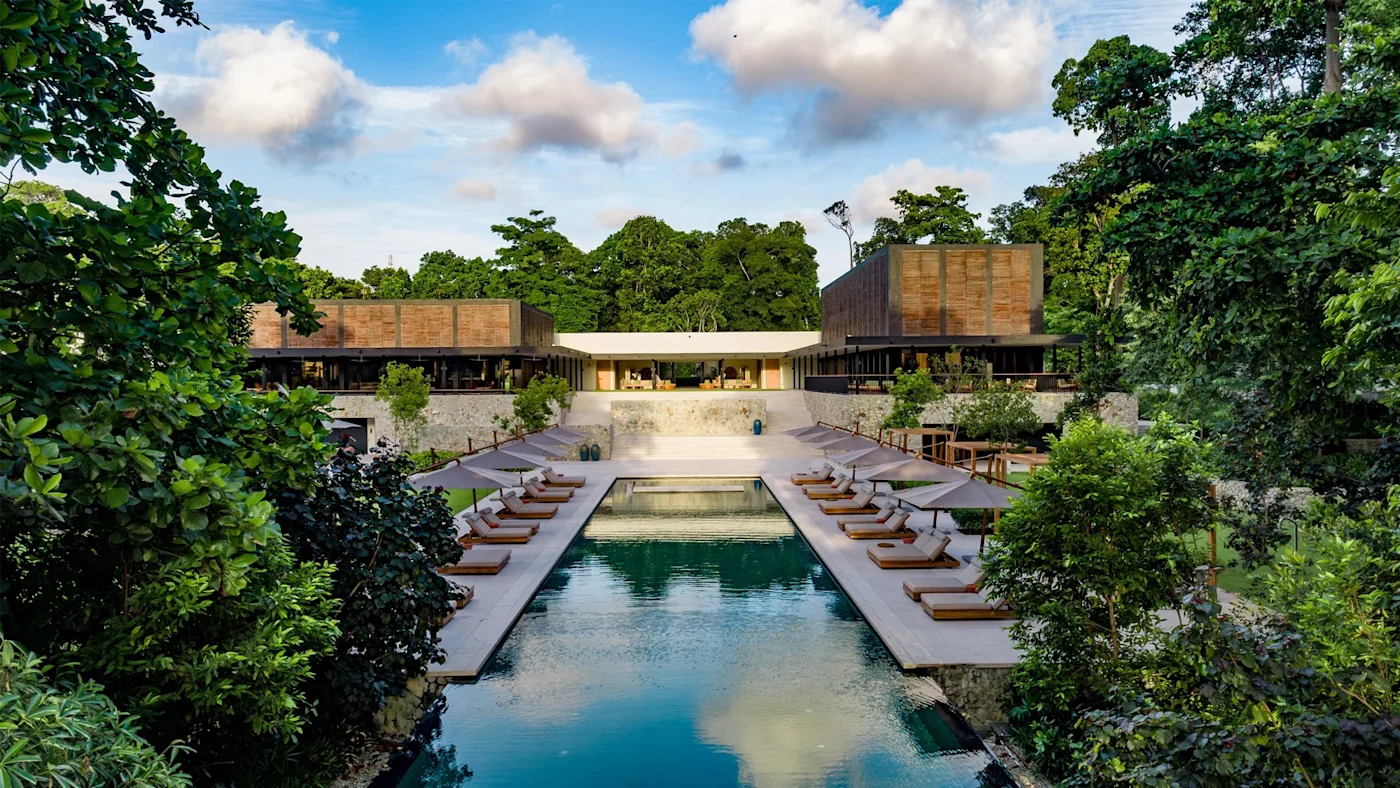
The property that brings Johor onto the list for the first time. Mandarin Oriental's first beach resort in South East Asia, it took over the former One&Only Desaru Coast and reopened under the group in February 2026.
The design. Kerry Hill Architects, working in the tropical modernism the practice is known for. Forty-four suites, each with a private plunge pool, courtyard and veranda facing either greenery or the sea, plus a four-bedroom pool villa. Low, horizontal, and deliberately quiet.
Suits: a Singapore-adjacent escape. Desaru is close enough to make a two-night trip work without a flight.
The Datai Langkawi (first Key)
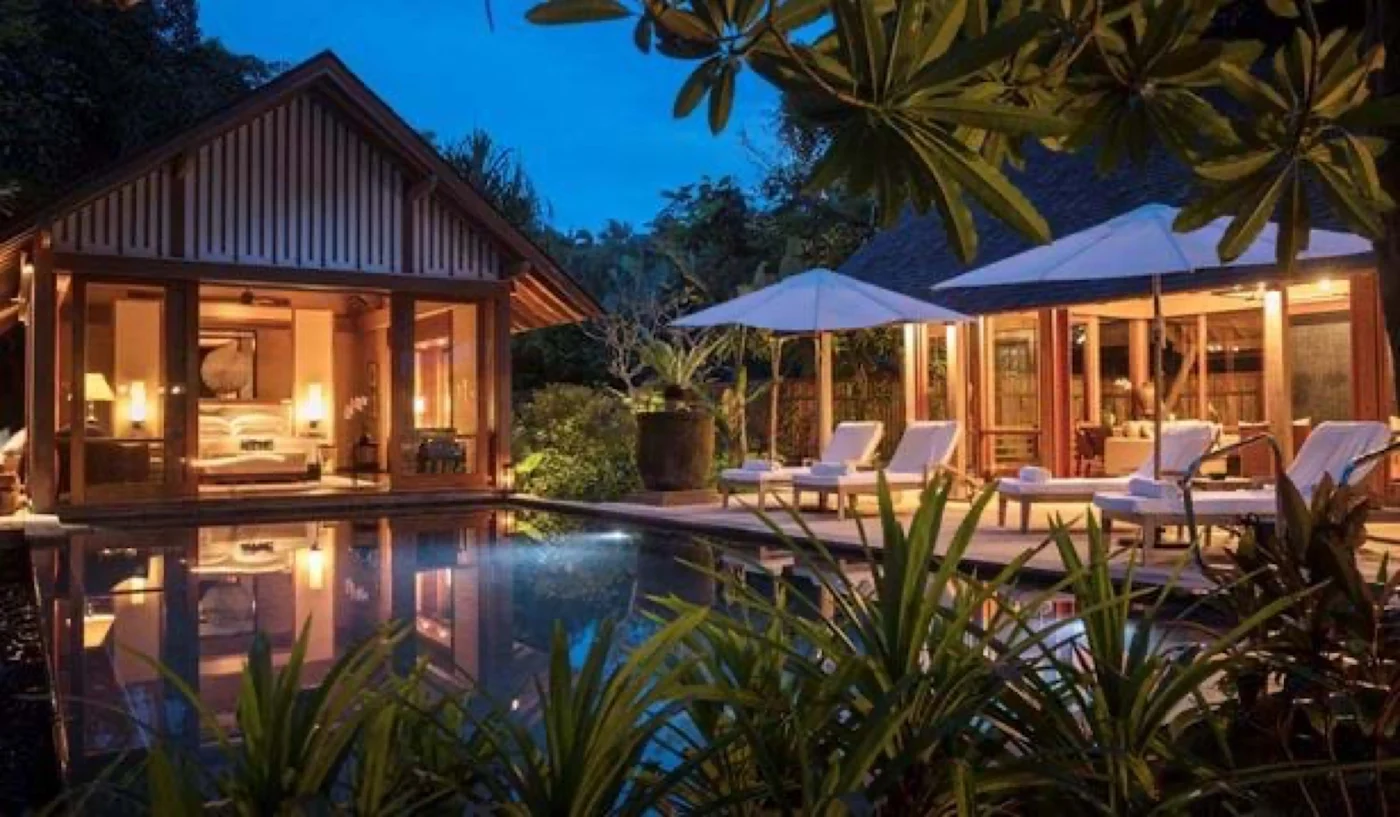
The oldest building on this list and arguably the most important. Kerry Hill designed it with Akitek Jururancang in 1993, and it opened in 1994 inside a ten-million-year-old rainforest.
The design. Hill took the harder route, setting the main resort forty metres higher and three hundred metres further from the sea than the obvious beachfront position, so the building sits inside the forest rather than in front of it. Interiors by Didier Lefort. It won the Aga Khan Award for Architecture in 2001, and it is still the reference point for what a rainforest resort in this region should be.
Suits: the trip where you want the architecture to be the reason.
Else Kuala Lumpur (Key retained)
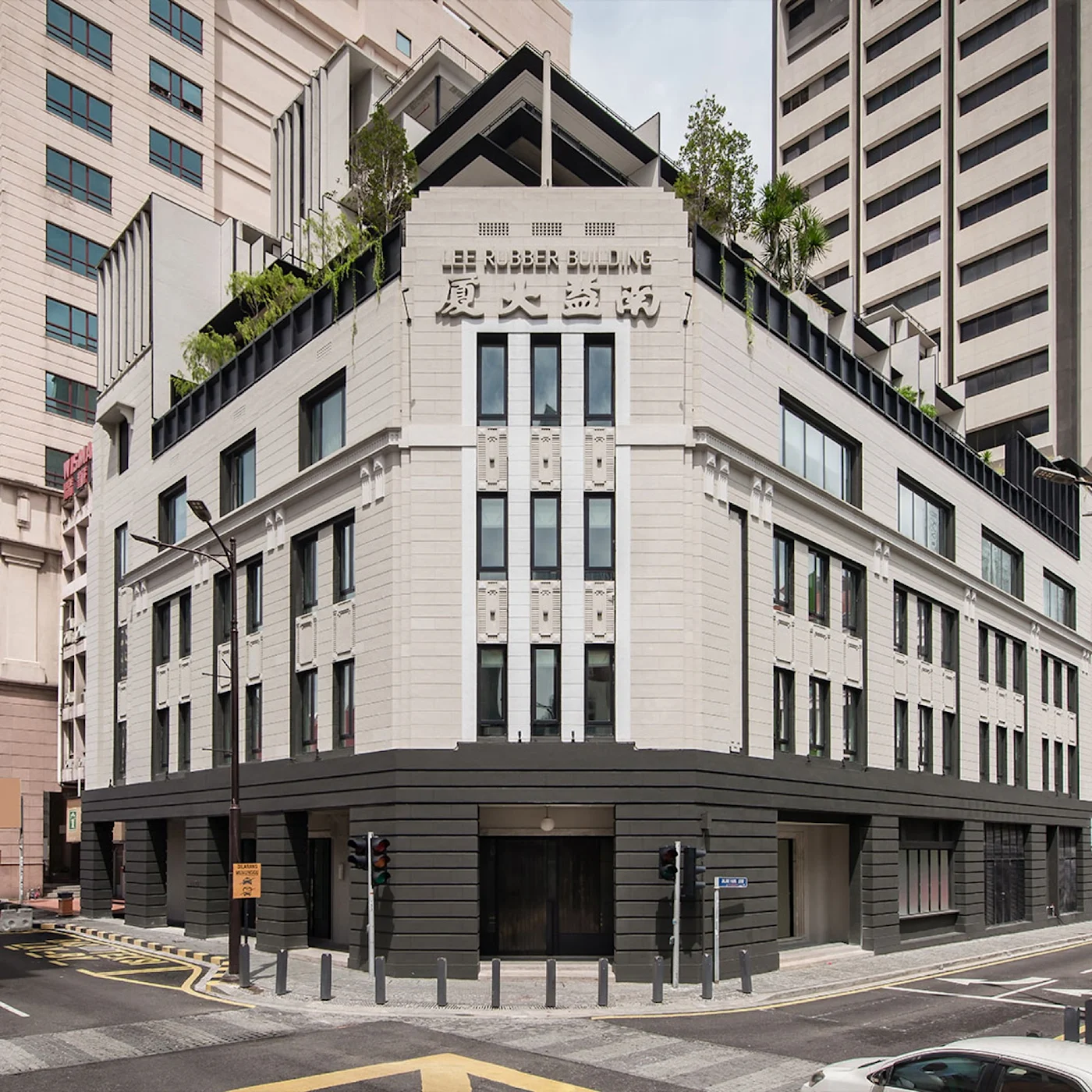
Forty-nine rooms inside the Lee Rubber Building, which went up in 1930 on the corner of Jalan Tun H S Lee and was the tallest building in Kuala Lumpur when it opened. It was the Lee Rubber Group's headquarters, then the Japanese army's during the occupation, and it stood largely unloved for decades afterwards.
The design. The Art Deco frontage survives, including the original Lee Rubber Building lettering, though it is now painted in greys rather than the old ivory so it settles into the Chinatown shophouses around it. Studio Bikin and Faizah Architect led the conversion for founders Javier Perez and Justin Chen, adding three floors on top of the 1930 structure rather than hiding them. It opened in August 2022.
Suits: a city stay where you want to be in old KL rather than looking at it from the Golden Triangle.
The RuMa Hotel and Residences (Key retained)
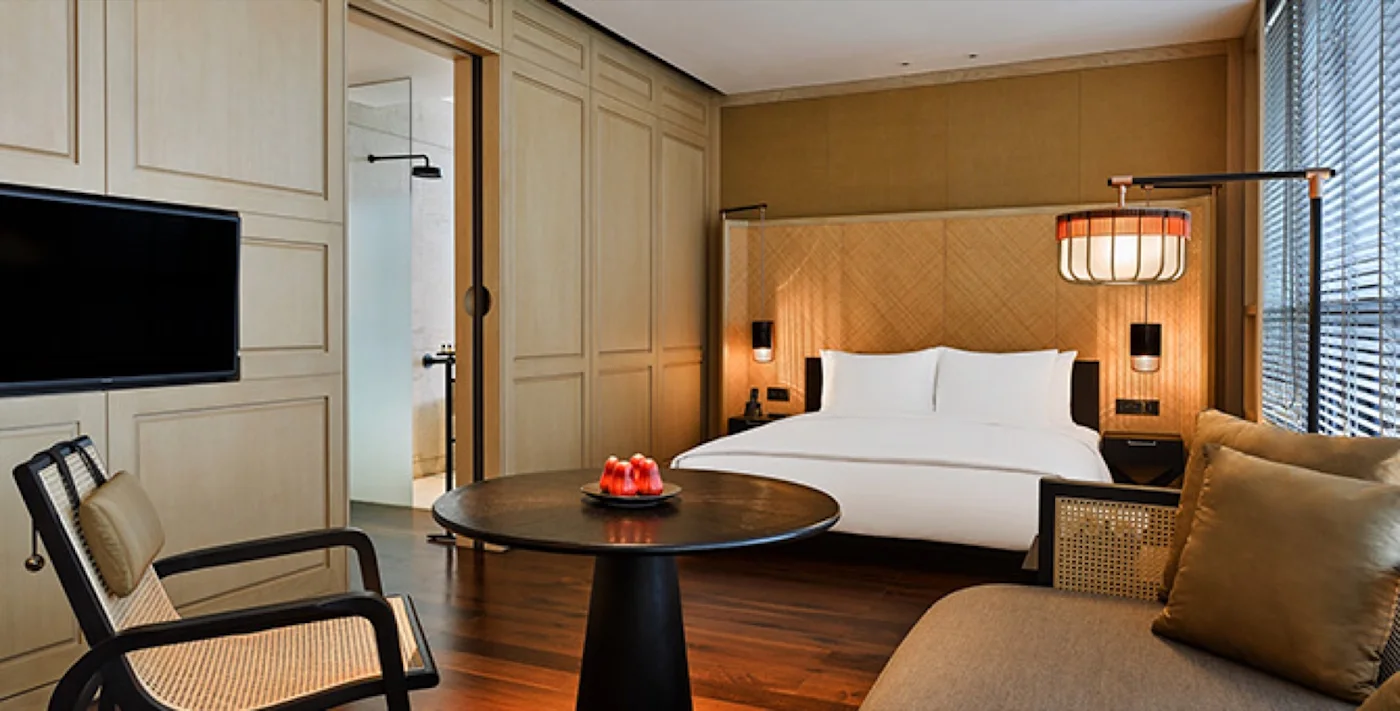
In the Golden Triangle with the Petronas Towers in view. The name comes from rumah, the Malay word for home, and the building works hard to earn it.
The design. Architecture by BEP Arkitek, interiors by MQ Studio under the creative direction of Andy Hall, lighting by The Flaming Beacon. Hall spent months on Malaysia's colonial and tin-mining history and on the vernacular details that were disappearing from the city. The result is specific rather than generic: kelarai, the handwoven checked panelling, on the walls; antique balusters salvaged from Penang houses; vintage batik printing blocks; furniture made by hand. Cream, timber, rattan and brass instead of hotel marble.
Suits: a working trip that wants a sense of place without leaving the centre.
Four Seasons Hotel Kuala Lumpur (Key retained)
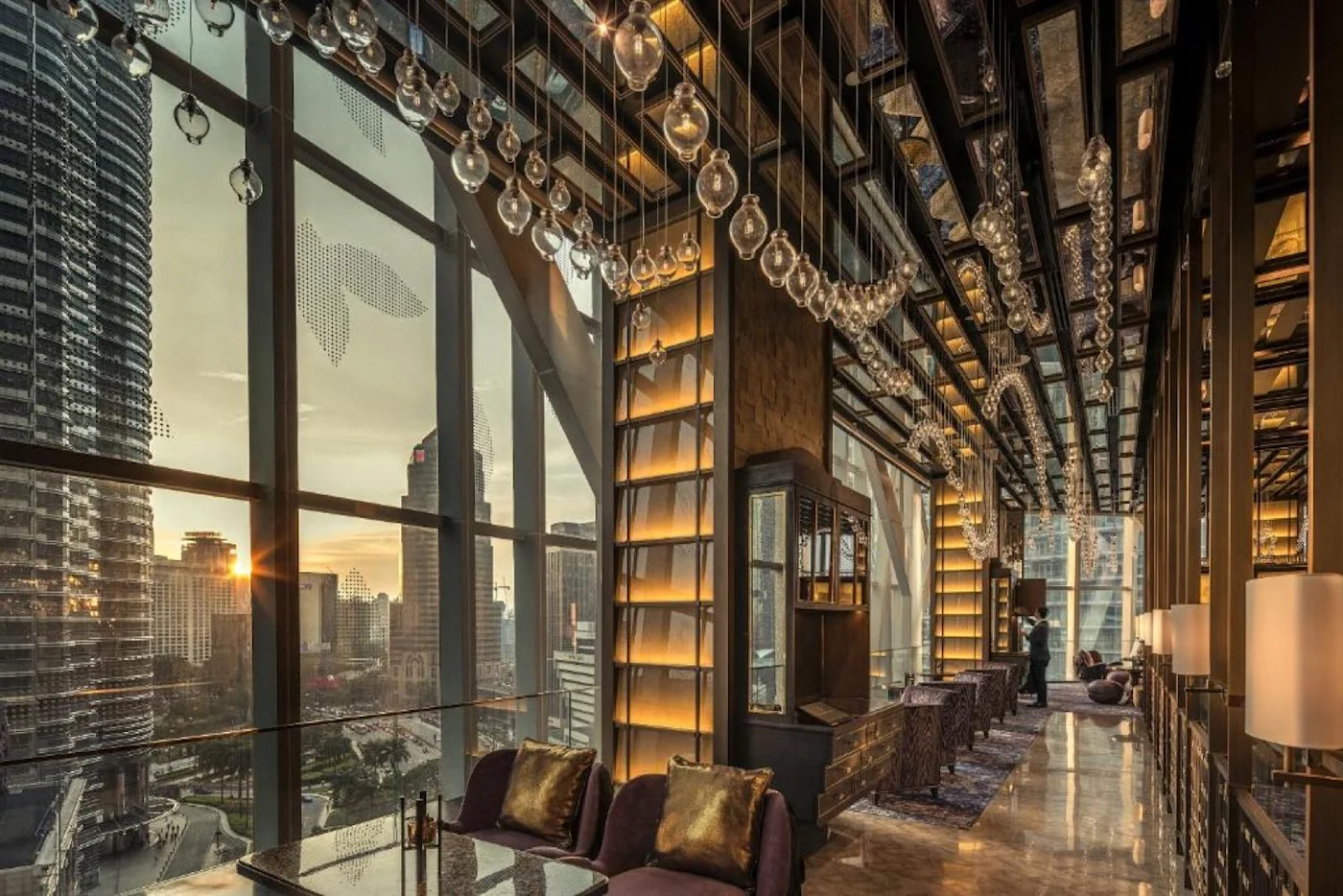
The city counterpart to the Langkawi resort, and the only Malaysian hotel group on this list with two Key properties. It occupies the lower floors of a 65-storey, 342-metre tower by NRY Architects, third-tallest in the country, directly beside the Petronas Towers. It opened in 2018 with 209 rooms and suites.
The design. Guestrooms by Wilson Associates in muted greys, layered leather and textured wallcoverings, deliberately quiet so the floor-to-ceiling glass does the talking. The public rooms are the exception: Ed Ng and Terence Ngan of AB Concept designed Yun House, The Lounge and Bar Trigona as three distinct spaces rather than one continuous lobby.
Suits: the high-end KL business stay where the address and the reliability are the point.
What the nine tell you about Malaysia
Three things stand out once the list is laid side by side.
The map widened. Until this year, Key recognition in Malaysia meant Kuala Lumpur plus Langkawi. The 2026 selection adds Penang twice and Johor once. Desaru in particular changes the shape of the list, because it opens the southern coast as a recognised destination rather than a drive from Singapore.
Conservation is being rewarded. Soori Penang and The Qing Suites are both restoration projects inside protected heritage fabric, not new builds. Two of the five new Keys went to buildings whose value is in what was kept.
Malaysia is quietly strong on tropical modernism. Two of the nine are Kerry Hill Architects buildings, thirty years apart. The Datai set the template in 1994, and Mandarin Oriental Desaru continues it in 2026. Few countries can show that lineage on a single national list.
There is a second thread worth noticing. The Lee Rubber Building that is now Else was designed in 1930 by Booty Edwards and Partners, the practice that became BEP, and BEP Arkitek designed The RuMa nearly ninety years later. Two hotels on the same national list, from the same architectural lineage, at opposite ends of the century.
Booking a Key hotel for business travel
A Key does not make a hotel the right corporate booking. It tells you the property is exceptional at being itself, which is a different question from whether it fits a policy cap, has the meeting space you need, or sits near the office you are visiting.
Where a Key property does make sense, the practical issue is usually rate access rather than availability. Corporate rates at properties in this bracket are typically negotiated rather than published, and they are not always visible in a consumer booking flow. Accomy applies negotiated hotel rates at the point of booking, so a premium stay stays inside policy instead of turning into an exception someone has to approve afterwards.
If you are weighing the wider question of how a Key should influence a travel programme at all, that is a separate piece of work from choosing a hotel, and worth treating as one.
What comes next
Nine is a real number for a country that had four a year ago, and the additions suggest the inspectors are looking beyond the capital. Penang now has two Keys of its own. Johor has one. The obvious gaps are Sabah and Sarawak, where several properties would not look out of place on this list, and Melaka, where the heritage case is as strong as Penang's.
Which of your own favourites do you think deserves a Key next year? We would genuinely like to know, because the ones that get missed tend to be the ones locals already book.
Frequently Asked Questions
How many MICHELIN Keys does Malaysia have in 2026?
Nine. That is up from four in the previous selection. For regional context, Singapore holds eleven and the Philippines nine, with the Philippines having risen from five.
Which Malaysian hotel has two MICHELIN Keys?
Four Seasons Resort Langkawi, which remains the only two-Key property in the country and the highest-rated Malaysian hotel on the list. It sits inside a UNESCO Global Geopark on Langkawi.
When were the 2026 MICHELIN Keys announced?
On 18 September 2026. The global selection covers 2,832 hotels: 155 with three Keys, 657 with two and 2,020 with one. Asia and the Middle East account for 600 of them, including 173 new Keys and promotions.
What is the difference between a MICHELIN Key and a MICHELIN Star?
A Star rates a restaurant and a Key rates a hotel. They are separate awards with separate inspectors and criteria, and a hotel can hold Keys with no Star at all. Keys assess architecture, service, consistency, personality and value for the price, on a scale of one to three.
Which Malaysian hotels are new to the list in 2026?
Five properties join: Park Hyatt Kuala Lumpur, Soori Penang, The Qing Suites, Mandarin Oriental Desaru Coast and The Datai Langkawi. Mandarin Oriental Desaru Coast brings Johor onto the list for the first time. Else Kuala Lumpur, The RuMa and Four Seasons Kuala Lumpur retain the Keys they already held.
Can I book MICHELIN Key hotels at a corporate rate?
Often, though the rate is usually negotiated rather than published, which is why it may not appear in a consumer booking flow. A platform that applies negotiated hotel rates at the point of booking will surface the corporate rate where one exists and keep the stay inside policy.
Quick Takeaways
The 2026 MICHELIN Keys were announced on 18 September 2026: 2,832 hotels worldwide.
Malaysia holds nine, up from four, against Singapore's eleven and the Philippines' nine.
Four Seasons Resort Langkawi is still the country's only two-Key hotel.
Five are new, and the map widened beyond KL and Langkawi to Penang and Johor.
Two of the nine are Kerry Hill Architects buildings, thirty years apart.
Book your next MICHELIN Key stay with Accomy. Negotiated hotel rates applied at the point of booking, so a standout stay still fits the policy. Talk to us.