
差旅營運
Red-Eye Flight Meaning: What a Red-Eye Is, and How to Work the Next Day
An overnight flight that lands in the early morning: what the name means, when it suits a business trip, and how to sleep on board and get through the next day.
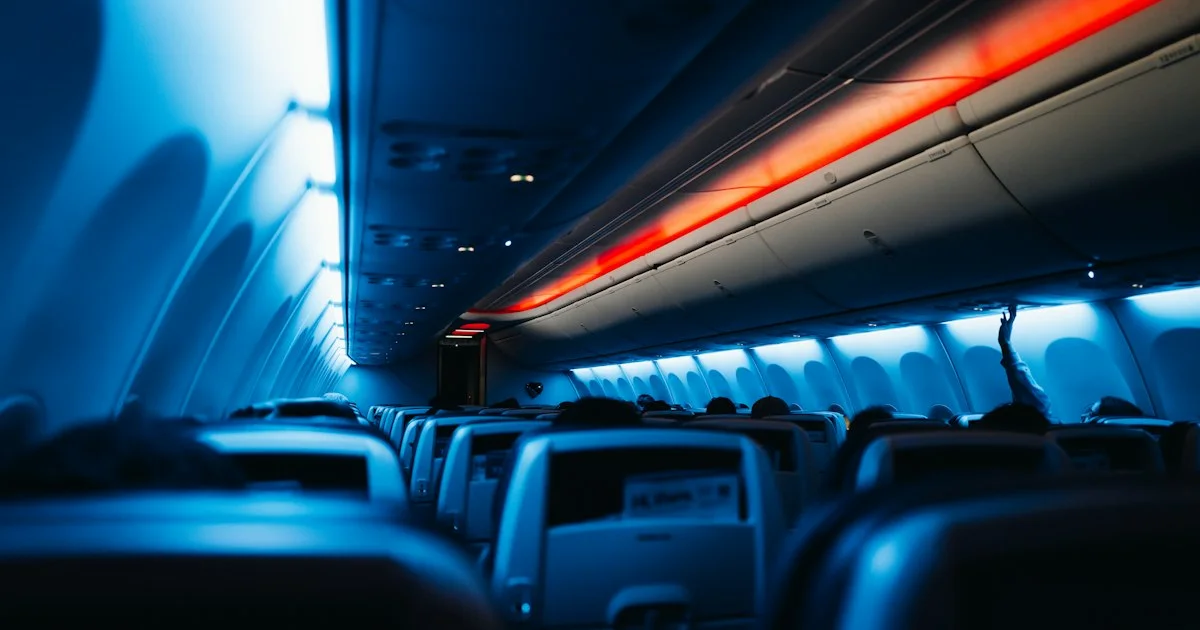
A red-eye flight is a flight that leaves late at night and usually lands early the next morning, so passengers spend the night on board. The name is usually explained by travellers' tired, red eyes after a short, broken night's sleep. For a business trip, a red-eye saves a hotel night and a day of travel, but only works if you can sleep on the plane and pace the day after.
What does red-eye flight mean?
Cambridge Dictionary defines a red-eye as a flight taken at night, and labels the term mainly American and informal. Britannica's learner's dictionary describes it as a flight that leaves late at night or continues through the night. Neither sets fixed hours.
An example: "I'll take the red-eye to Tokyo, land at dawn and rest before the 2pm meeting."
A red-eye trades a night in a bed for a full day at your destination.
When does a red-eye make sense for work?
It suits trips where the morning after landing is light, or where you can rest for an hour first. It's harder on a day with a 9am presentation. The US Centers for Disease Control and Prevention (CDC) says that for trips shorter than about two days, it's better not to adapt to the new time zone at all. It also says the body adjusts by about an hour a day travelling east.
To sleep on board, the CDC suggests limiting alcohol and caffeine and using an eye mask and ear plugs. At your destination, it advises short naps of about 20 to 30 minutes rather than long daytime sleeps. The CDC Yellow Book also covers melatonin, including doses. Our business travel glossary explains related terms, and our guide to cabin baggage rules covers what you can bring on board.
The morning after a red-eye decides whether the saved hotel night was worth it.
Frequently Asked Questions
Why is it called a red-eye flight?
The name is usually explained by the tired, red eyes travellers have after a short and broken night's sleep on an overnight flight. Cambridge Dictionary labels the term mainly American and informal, and defines it simply as a flight taken at night. Britannica's learner's dictionary describes a flight that leaves late at night or continues through the night. Dictionaries don't set fixed departure hours, so the term covers any overnight flight.
How do I sleep on a red-eye flight?
The US Centers for Disease Control and Prevention suggests limiting alcohol and caffeine, and using an eye mask and ear plugs to block light and noise. A window seat means neighbours won't need to climb past you. At your destination, the CDC recommends short naps of about 20 to 30 minutes rather than long daytime sleeps. If you're considering melatonin, the CDC Yellow Book sets out its guidance, including doses.
How long does it take to adjust to a new time zone?
The US Centers for Disease Control and Prevention says the body adjusts by about an hour a day when travelling east and about an hour and a half a day when travelling west. That's why a short trip across several time zones can leave you tired for most of it. For trips shorter than about two days, the CDC suggests not trying to adapt to the new time zone at all, and keeping close to home hours where you can.
Sources (checked 28 October 2026)
Cambridge Dictionary, red-eye; Britannica, learner's dictionary: red-eye
US Centers for Disease Control and Prevention, CDC Yellow Book: jet lag disorder
每一趟商務出差,都能少花一點。
給亞太差旅團隊的每日津貼更新、飯店價格技巧與現成的政策範本。簡短好讀,每月幾封。