
差旅运营
The Return of the Business Trip
I thought the business trip was dead. Here's the simple gut-check I use now to tell which trips are actually worth flying for, and which are just an email.
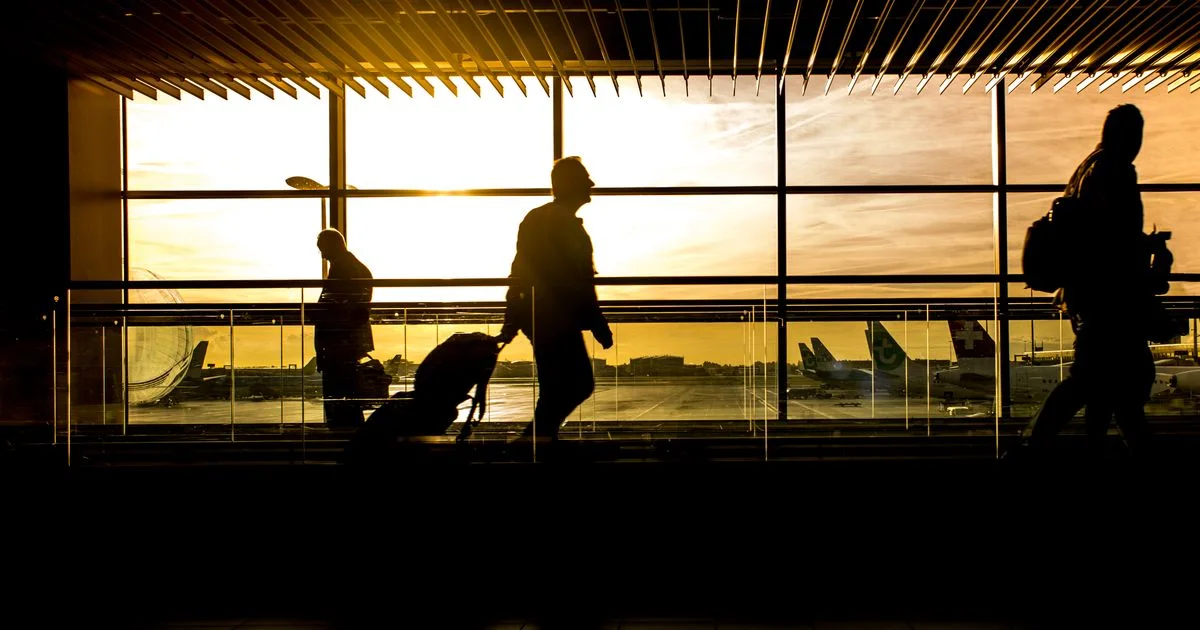
The Return of the Business Trip
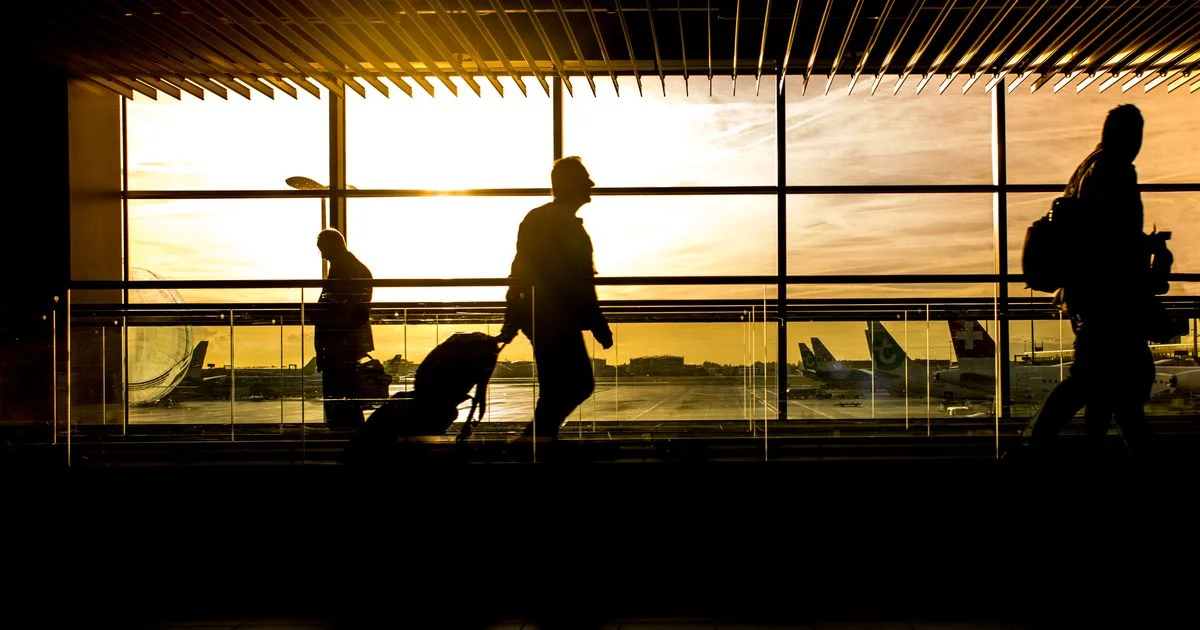
Photo: ClickerHappy / Pexels
TL;DR. I thought the business trip was dead. It came back because some things just don't work through a screen: the handshake, the read of a room, the trust that only shows up in person. But "travel more" isn't the lesson; travelling for the right reasons is. Before you book, run the gut-check: ① Could this have been an email? ② Is there a moment that only works face to face? ③ If you go, protect that moment and make the boring stuff disappear. Fly for the handshakes. Email the rest.
For a good while there, I was sure the business trip was finished.
We'd figured out how to run whole companies from our bedrooms. So why would anyone get on a plane again, right? The calls worked. You could see everyone's face, share your screen, get through the agenda and still be back in time for lunch. On paper, nothing was missing.
And then people started flying anyway. Nobody made them. They just… did. And I couldn't stop wondering why.
Wait, why did we start flying again?
You know that feeling when a call ends, everyone waves, the little boxes blink out, and you realise you still don't actually know the person you just spent an hour with? Like you talked, but you never really met?
That's what a screen quietly takes from you. Not the words; the words come through fine. It's everything around them. The little pause before someone says yes. The way they go quiet when the price comes up. The joke that only works when you're both in the same room, a bit tired, waiting for the food. You can't screenshot that. You kind of have to be there.
So no, we didn't go back to travelling because working from home failed. We went back because we finally got honest about what a trip is even for.
So which trips are actually worth it?
Because "travel more" is a rubbish lesson. Flying more isn't the win. Flying for the right reasons is. Most of us just never had a clean way to tell the difference, so we defaulted to yes and quietly burned the budget. Here's the gut-check I use now, and it's almost embarrassingly simple.
① Could this honestly have been an email? If the whole point is to share an update or walk through slides, be brave and kill the flight. That's a flight, two hotel nights and a day nobody gets back, all spent on something an email would've done. Nobody ever thanked a screen for making them sit through it in person, and you just bought that trip back for your team.
② Is there a moment in this trip that only works face to face? The first handshake with a client you've only ever emailed. The factory you actually need to walk. The dinner where the real conversation finally shows up. If you can name that moment, go.
③ If you go, protect that moment and make the rest disappear. The booking, the currency, the "my flight got cancelled at 11pm" panic. None of that is why you flew. Don't let it eat the energy you're supposed to be spending in the room.
If you can name the one moment that only works in person, that moment is the trip. Everything else is just travel wrapped around it.
This matters double in Asia, honestly. So much here still closes at dinner rather than in the meeting, over the second drink, once the laptops are shut and someone's already insisting on ordering for the whole table. That's not being old-fashioned. That's just where the real yes tends to happen. There's a reason this part of the world is on track to be the biggest business-travel market anywhere next year. People here were never going to give up the table. They just want the trips that earn it.
The bit a good travel setup should quietly handle
That third question is really where a good travel setup earns its place. I'll be straight about what it can and can't do. It can't make your meeting matter; that part's on you, same as always. What it can do is carry the boring, stressful weight you were never meant to carry: hold the rate you negotiated, pay in the right currency, and put a real human on the other end of a message at the exact moment your trip falls apart at midnight. A person, on WhatsApp, who just sorts it. So that when you're finally in the room, you're all the way in it.
So next time a trip request lands and you're not sure, don't ask whether you could do it on a call. Ask what it's for. Fly for the handshakes; email the rest.
Accomy is the network that handles the boring bits of a work trip (the rates, the currencies, and a real human on WhatsApp, Line or WeChat when it all goes sideways) so the reason you flew is the only thing you have to think about.
Have a look at how it handles your routes. Talk to us.
Related reading:
How to cut business travel costs (for when you've decided a trip is worth it)
Why APAC corporate travel isn't like the US or EU (why the region runs on being there)
How does Accomy work? (the plain product explainer)
Sources (retrieved 2026-08-13)
GBTA — Asia Pacific business-travel spend on course to lead globally at ~US$700.9bn in 2026 (+10.9% YoY), 2026 — https://gbta.org/