
Travel ops
Aisle Seat vs Window Seat: Meaning, Which to Choose, and Seat Selection Rules
What each seat is, which suits a short hop or an overnight flight, and when Singapore Airlines, Malaysia Airlines and AirAsia let you choose one for free.
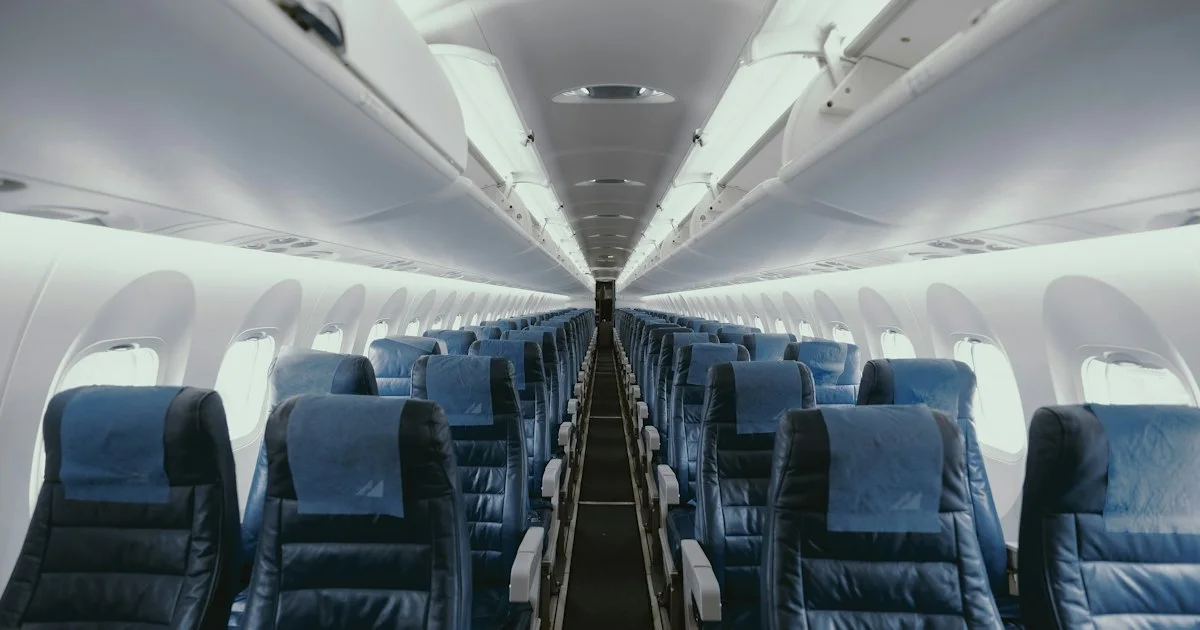
An aisle seat is the seat next to the aisle, the walkway between rows; a window seat is the one beside the window. Cambridge Dictionary defines both, for seats on planes, trains and other vehicles. An aisle seat makes it easy to get up without disturbing anyone, while a window seat is better for sleeping undisturbed. Whether you can choose one for free depends on your fare.
Which seat suits a business trip?
Choose the aisle for short flights where you want to leave the plane quickly, or if you'll get up often to work, stretch or use the bathroom. Choose the window for overnight flights, so you can lean against the side and won't be woken by neighbours. Seat letters vary by aircraft, so check the seat map when you choose rather than relying on a letter.
The right seat depends on whether you'll sleep or work on the flight.
When can you choose a seat for free?
It depends on the airline and fare:
On Singapore Airlines, Lite fares pay for standard seats, while Economy Value, Standard and Flexi fares include them. Any available seat is free once online check-in opens, 48 hours before departure.
On Malaysia Airlines, according to its April 2025 FAQ, Economy Value fares pay for seat selection, while Basic and Flex fares include standard seats. Window, front-row and extra-legroom seats carry a fee.
On AirAsia, seats cost extra unless a bundle includes them, and if you don't choose, a seat is assigned at check-in.
Many fares already include a standard seat, so the fare type decides whether a seat costs extra.
Who can sit in an exit row?
Exit rows have rules because passengers there may need to help in an emergency. Malaysia Airlines sets a minimum age of 18 and excludes passengers travelling with children, pregnant passengers and those with reduced mobility. AirAsia and Singapore Airlines set a minimum age of 15 and require passengers to be able and willing to help. Both say they may move you if you don't meet the rules, and AirAsia says the seat fee isn't refunded. Our guide to cabin baggage rules covers what you can keep at your seat, and our business travel glossary explains other flight terms.
An exit row buys legroom, but it comes with duties.
Frequently Asked Questions
What does aisle seat mean?
An aisle seat is a seat next to the aisle, the walkway between rows of seats, as Cambridge Dictionary defines it for planes, trains, buses and theatres. On a plane, it lets you stand up and leave your row without asking anyone to move, which helps on short flights and if you need to get up often. Singapore Airlines says all its Economy aisle seats, except in the front row, have movable armrests.
What does window seat mean?
A window seat is a seat beside a window on a train, aircraft or other vehicle, as Cambridge Dictionary defines it. On a plane, it's usually the better choice for sleeping, because you can lean against the side and won't be disturbed when neighbours get up. It's harder to leave without asking others to move, so it suits overnight and longer flights more than short hops with a meeting soon after landing.
Do I have to pay to choose a seat?
It depends on your fare. Singapore Airlines charges for standard seats on Lite fares but includes them on Economy Value, Standard and Flexi fares, and any seat is free once online check-in opens 48 hours before departure. Malaysia Airlines charges on Economy Value fares but includes standard seats on Basic and Flex. AirAsia charges unless your bundle includes a seat. Paid seats on Malaysia Airlines are non-refundable.
Sources (checked 28 October 2026)
Cambridge Dictionary, aisle seat and window seat
Singapore Airlines, seat selection
Malaysia Airlines, Economy fare FAQ (April 2025) and terms and conditions
AirAsia, seat policy and Value Pack
Singapore Airlines, exit seat eligibility (trade circular, October 2025)
Spend less on every business trip.
Per diem updates, hotel rate tips and ready-to-use policy templates for APAC travel teams. Short reads, a few times a month.