
Supply & sourcing
How Corporate Hotel RFPs Work
How corporate hotel RFPs work: the annual RFP calendar, the process step by step, and whether a 50–200-person company actually needs one.
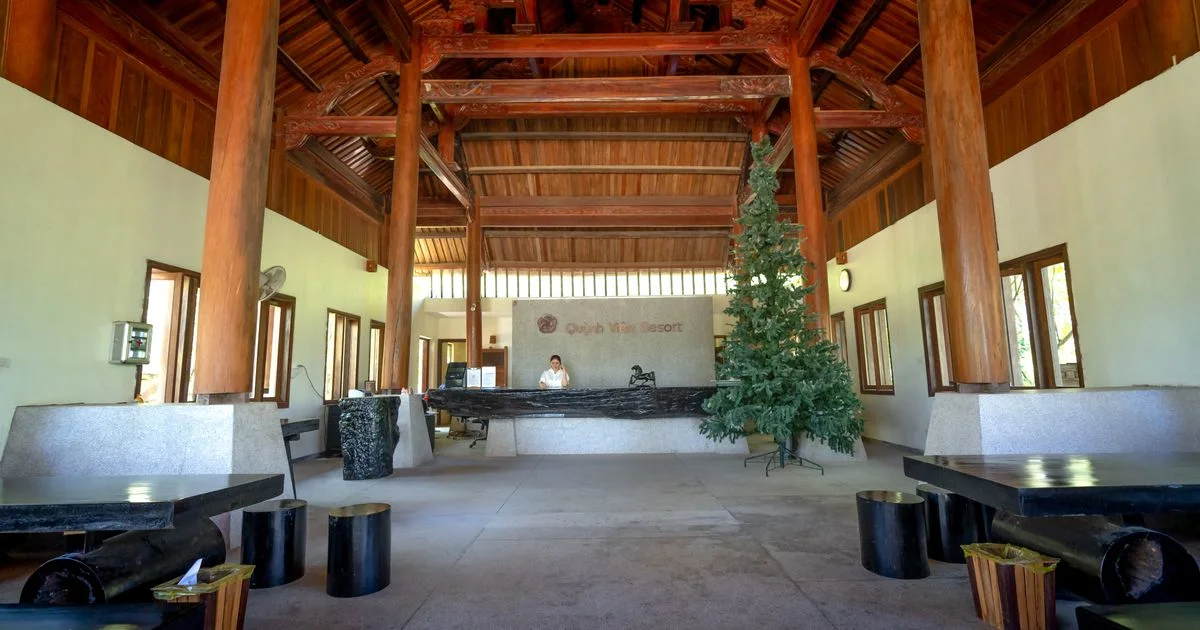
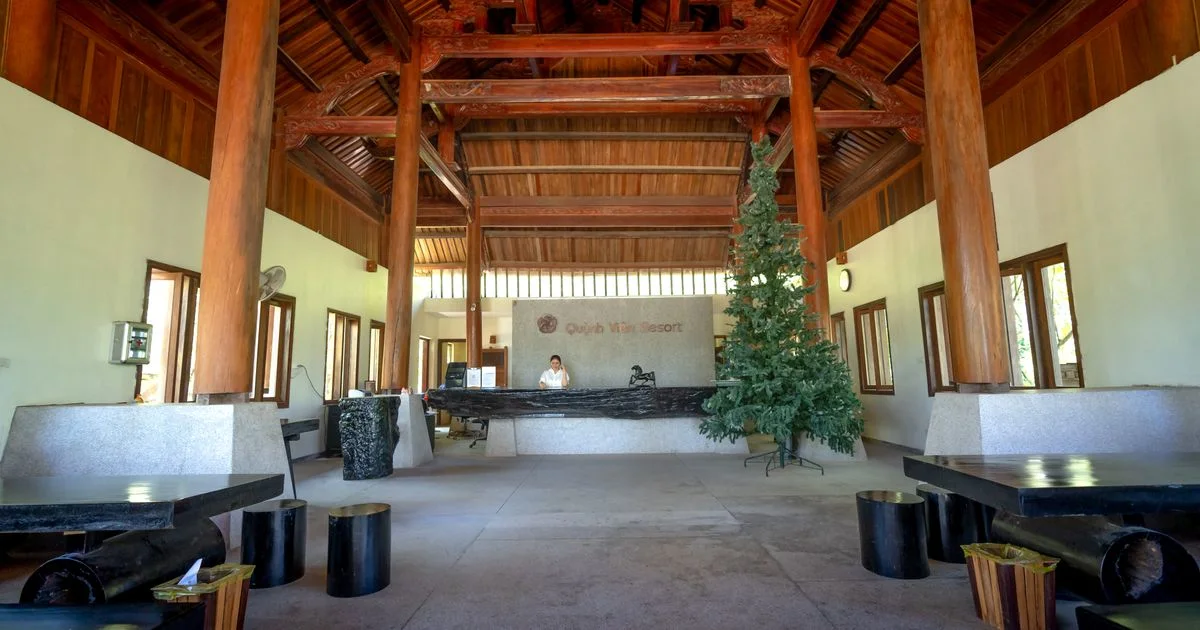
Photo: Quang Nguyen Vinh / Pexels
How Corporate Hotel RFPs Work
Each year, hotels submit rate bids they hope will win a year of corporate bookings. The process is called the hotel RFP. A company uses it to negotiate preferred rates at the properties its people use most, then loads those rates so they show up automatically at booking.
The RFP runs on an annual calendar and a repeatable set of steps, and it depends heavily on the final audit. This guide covers each stage, then asks whether a 50–200-person company should run one at all.
Key Takeaways
• A corporate (transient) hotel RFP is how a company solicits and negotiates preferred rates from its priority hotels for the coming programme year.
• It runs on an annual cycle: buyers solicit bids, hotels respond and negotiate, then rates are loaded and audited before the new contract year. GBTA puts the average at about 78 days from RFP launch to acceptance, before loading and auditing.
• Cvent's 2026 analysis found fixed rates still dominate on Cvent's platform ("fixed is still king"), with this cycle favouring precision over programme expansion (Cvent Transient Insider, 2026).
• The final audit step is where loading mistakes get caught: rates that are negotiated but loaded wrong or gated behind the wrong code never reach the traveller.
• Below a certain volume, a full RFP often doesn't pay off for an SME: inheriting rates through a TMC, a consortium, or an APAC-first network can work better.
What is a corporate hotel RFP?
A corporate hotel RFP (request for proposal) is the process a company uses to ask its priority hotels to quote preferred rates for the year ahead. In corporate travel this is specifically a transient RFP: it covers individual business-trip stays, not conference room blocks or group events. The buyer submits projected room-night volume for each city and property; hotels respond with a rate they'll honour for the programme year.
The goal is a set of negotiated rates that travellers see and book automatically, inside policy, without hunting for a deal. A well-run RFP turns scattered ad-hoc bookings into a managed programme with consistent pricing and a clean audit trail. For a deeper primer on the output itself, see what a corporate hotel rate actually is.
An RFP locks a consistent, policy-fit rate at the properties you use most.
When does hotel RFP season happen?
Hotel RFP season follows a typical annual cycle, though the windows are a convention rather than fixed dates. A common pattern is buyers issuing RFPs mid-year, hotels responding in the autumn, and rates being loaded and audited ahead of the new contract year. GBTA's accommodations toolkit puts the average programme at about 78 days from RFP launch to acceptance, before rate loading and auditing.
Timing varies: Cvent described the 2026 season as "just wrapping up" in late February 2026.
The timing exists because rates have to be agreed, loaded into distribution systems, and checked for accuracy before the programme year starts. A rate that isn't loaded in time means early bookings go through at the wrong price.
A typical annual hotel RFP calendar. Windows are an industry convention, not fixed dates, and timing varies by programme.
Plan the RFP calendar backwards from the date your new rates must go live.
The hotel RFP process, step by step
The hotel RFP process runs in six stages, and the last one, the audit, is where loading mistakes get caught. Rates can be negotiated correctly, then load incorrectly, and nobody notices until a traveller pays the wrong price.
Build the hotel list. Start from last year's booking data. Which cities and properties actually absorbed your room nights? That volume is what you negotiate with, so the list should follow the spend.
Solicit / issue the RFP. Send each target hotel your projected volume and request a rate for the programme year.
Hotels bid. Properties respond with a proposed rate, plus terms like inclusions, cancellation rules, and last-room-availability.
Negotiate. You review bids, push on rate and terms, and confirm which properties make the programme. For tactics, see how to negotiate corporate hotel rates.
Load the rates. Accepted rates are loaded into the GDS under a negotiated rate access code issued for your company, so only your travellers see them. This is a technical step, and it's where errors creep in.
Audit. Check that every rate loaded correctly, is bookable, and matches what was agreed. Cvent sells a Rate Integrity tool that checks negotiated rates are loaded, accurate and bookable in each GDS.
Negotiating the rate is half the job; a rate that loads wrong never reaches the traveller.
The platforms that run hotel RFPs
Cvent Transient, formerly Lanyon, is a widely used platform for corporate transient hotel RFPs (Cvent and Lanyon merged in 2016, and the sourcing product now carries the Cvent name). Cvent says its transient RFP sourcing covers over 100,000 hotels. Large buyers and hotels use it to exchange RFPs, negotiate, and manage acceptances at scale.
HRS describes itself as a corporate lodging and payment technology platform. In April 2025 it launched a free Green Stay Audit Platform, which it describes as AI-based, to help hotels report sustainability data for corporate RFPs (HRS, 2025).
Smaller programmes often need none of this. If you're negotiating a handful of properties in two or three cities, a spreadsheet and direct conversations with hotel sales managers can do the whole job.
Cvent Transient suits enterprise scale, and a programme of a few properties can skip the platform entirely.
What does the 2026 RFP season tell us?
Cvent's analysis of the 2026 cycle points to continuity. Fixed rates still dominate on Cvent's platform ("fixed is still king"): roughly 85% of the corporate rates accepted in the cycle Cvent analysed (published February 2026) were fixed, slightly up on the year before. Asia and Latin America remain overwhelmingly fixed (Cvent Transient Insider, 2026).
Cvent also describes this cycle's focus shifting from expansion to precision and optimisation. The largest share held property counts steady: roughly 48% of market decisions kept counts the same, and about a quarter each expanded or cut back (Cvent Transient Insider, 2026).
For an SME, that's reassuring. A lean, well-audited programme at a few high-volume properties beats a sprawling one, and precision scales down more easily than expansion.
The 2026 cycle rewards a short, accurate preferred list.
Does an SME actually need to run a hotel RFP?
For many 50–200-person companies, a full enterprise RFP is unlikely to pay off below a certain volume. Running an RFP costs real time (building lists, chasing bids, negotiating, loading, and auditing) and hotels only sharpen their pencil when your projected room nights justify it. Thin volume spread across many cities is the worst case, with lots of work and little bargaining power.
Run an RFP when you have many repeat nights concentrated in a few properties or cities, such as engineers who fly to the same manufacturing hub every week. That concentration gives you bargaining power, and a short, targeted RFP can beat public rates. When your travel is scattered and low-volume, inherit rates instead.
You can inherit rates by riding a TMC's or consortium's programme and using their pre-negotiated inventory. Or you can use an APAC-first network that gives access to negotiated rates at booking. Either way, you get managed pricing without owning the annual RFP grind.
Accomy supports both routes: inheriting rates and running an RFP. It books from GDS inventory, direct hotel contracts and OTAs, gives access to negotiated corporate rates, and enforces price caps by employee grade at booking, with each trip in one booking record.
For companies without procurement muscle, it runs the RFP as a managed service: hotel education, rate negotiation and rate loading. A human service team on WhatsApp, LINE, WeChat, web chat, email and phone handles the messy bookings.
For a wider look at the tools available, see our guide to corporate travel platforms in Southeast Asia.
Run an RFP only for concentrated, high-volume routes; everywhere else, inherit rates.
Why is APAC hotel sourcing different?
APAC hotel sourcing is harder to get right because the region is fragmented: Horwath HTL's 2018 survey of 11 APAC markets found chains were about 7.45% of hotels but 34% of rooms. The GBTA and ALTOUR 2027 Global Business Travel Forecast (July 2026) projects APAC hotel average daily rates up 5% in 2026, ahead of the 3.7% global rise. When prices climb, sourcing accuracy matters more.
Fragmentation can make rate loading more error-prone, with more properties to load and check individually. That makes the audit step essential.
FCM's 2026 hotel report describes APAC as "a mixed picture with strong city-level variation", so a single global approach can miss local differences. The practical answer is local sourcing plus a stricter audit. Cover the APAC cities your people actually use with rates sourced for those markets, then verify that every rate loaded correctly and matches what was agreed.
In APAC, fragmented supply and rising rates make local sourcing and a strict audit worth the effort.
Part of our guide to GDS vs NDC: What's the Difference for Business Travel?.
Frequently Asked Questions
What is a hotel RFP in corporate travel?
A hotel RFP (request for proposal) is how a company negotiates preferred rates from its priority hotels for the coming programme year. In corporate travel it's specifically a transient RFP, covering individual business trips rather than group events. The buyer shares projected room-night volume; hotels quote a rate they'll honour, which is then loaded so travellers book it automatically inside policy.
When does hotel RFP season start and when do rates go live?
Hotel RFP season follows a typical annual cycle rather than fixed dates. Buyers solicit bids, hotels respond and negotiate, and accepted rates are loaded and audited before the new contract year starts. A typical convention is solicitation around June to August and a 1 January go-live, but timing varies by programme. The timing works backwards from the start of the contract year, because rates must be agreed, loaded and checked for accuracy before then.
What is Cvent Transient (Lanyon) and do I need it?
Cvent Transient, formerly Lanyon, is a widely used platform for corporate transient hotel RFPs; Cvent and Lanyon merged in 2016 and the product now carries the Cvent name. It's where large buyers and hotels exchange RFPs, negotiate, and manage acceptances at scale. It suits big multi-market programmes; a small programme covering a few cities can run the whole process on a spreadsheet.
How long does the hotel RFP process take?
GBTA's accommodations toolkit puts the average programme at about 78 days from RFP launch to acceptance, before rate loading and auditing. It suggests finishing rate loading and audits within 90 days of award, then monitoring rates. A small, targeted RFP covering a handful of properties can move faster, but rates still need loading and an accuracy audit before they go live. Timing also varies by year: Cvent described the 2026 season as "just wrapping up" in late February 2026.
Does a small company need to run a hotel RFP at all?
Often not, because a full RFP rarely pays off below a certain volume and the time cost outweighs the savings when your room nights are scattered. Run one only when you have many repeat nights concentrated in a few properties or cities, where you have real bargaining power. Otherwise, inherit rates through a TMC, a consortium, or an APAC-first network that gives access to negotiated rates at booking.
Not sure whether your travel volume justifies an RFP? Get a free 30-min travel ops audit
Related reading:
What is a corporate hotel rate?
How to negotiate corporate hotel rates
Sources (checked 17 October 2026)
Primary and named industry sources
Cvent Transient Insider — 2026 RFP-season analysis. https://www.cvent.com/en/blog/insights/cvent-transient-insider-RFP-season-analysis
GBTA — Accommodations Toolkit (average RFP programme about 78 days from launch to acceptance). https://community.gbta.org/browse/toolkits/accommodations/additional-content
FCM Consulting — Insights Report: Hotel Edition 2026. https://www.fcmtravel.com/en/guides/fcm-consulting-insights-report-hotel-edition-2026
HRS — "New Green Stay platform leverages AI to help hoteliers expedite RFP processes" (Apr 2025). https://corporate.hrs.com/news/hrs-new-green-stay-platform-leverages-ai-to-help-hoteliers-expedite-rfp-processes
Travelport — negotiated rate access codes. https://support.travelport.com/webhelp/Smartpoint1G1V/Content/Hotel/RelatedTopics/Hotel_NegotiatedRates.htm
Cvent — Rate Integrity (business transient). https://www.cvent.com/en/event-management-software/business-transient
Business Travel News — Vista closes Cvent acquisition, merges Cvent and Lanyon (2016). https://www.businesstravelnews.com/Procurement/Vista-Closes-Cvent-Acquisition-Merges-Cvent-Lanyon
Horwath HTL — Asia Pacific Chains & Hotels Report 2018. https://horwathhtl.com/wp-content/uploads/2024/09/2018_ASIA-PACIFIC_CHAINS-REPORT-1.pdf
GBTA & ALTOUR — 2027 Global Business Travel Forecast (July 2026): APAC hotel ADR +5% in 2026, global +3.7%. https://gbta.org/research/business-travel-forecast-2027/